How to Use an Underground Cable Pulling Sock Effectively?
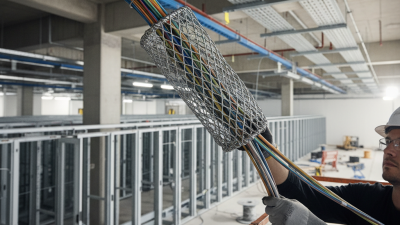
When it comes to installing underground cables, an effective tool is crucial. The "Underground Cable Pulling Sock" is designed to make the task smoother. Industry expert John Smith, a recognized authority in cable installation, states, "Using the correct equipment can save time and prevent damage." His insights emphasize the importance of selecting the right tools.
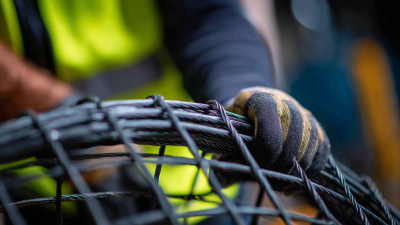
The "Underground Cable Pulling Sock" offers flexibility and strength. It allows for easier cable handling during installation. Proper use of this sock can significantly reduce the risk of damage to the cables. However, inexperienced users might encounter challenges. The fit and technique in pulling are crucial. A poorly fitted sock can weaken the efficiency of the process.
While it may seem straightforward, mistakes in using an "Underground Cable Pulling Sock" can lead to complications. Rushing through the setup often results in stress on the cables. Understanding the sock's design and application is essential for a successful operation. Reflecting on previous projects can offer valuable lessons for improvement. Embracing a careful approach can enhance overall performance in cable installations.
Understanding Underground Cable Pulling Socks and Their Purpose
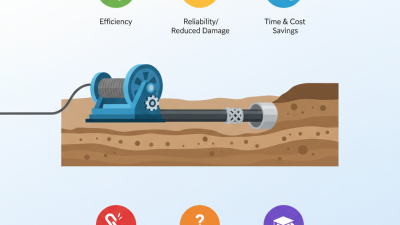
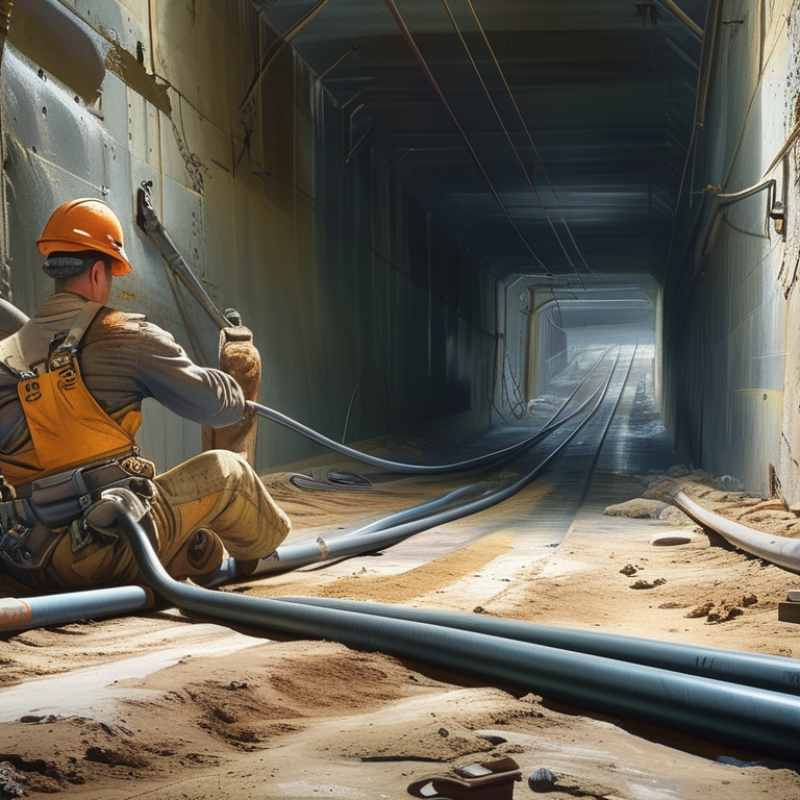
Underground cable pulling socks serve a crucial role in the installation of electrical and communication cables. These specialized tools help reduce friction during the cable pulling process, making it easier to navigate turns and bends in conduits. According to industry reports, using a cable pulling sock can decrease pulling force by up to 60%, significantly improving efficiency. This reduction not only saves time but also minimizes the risk of cable damage.
When selecting an underground cable pulling sock, consider the cable size and diameter. A sock that fits too tightly can cause unnecessary strain, while a loose sock may slip off. It's essential to understand the specifications for different projects. Each project may require a unique sock, and overlooking these details can lead to complications.
Before starting the pulling process, inspect the sock for wear and tear. A damaged sock can compromise the cable's integrity. Additionally, use lubricant when necessary. This can ease the pulling process, especially in longer runs. Always ensure that the cable path is clear of obstacles. This attention to detail can save significant time during installation.
Types of Underground Cable Pulling Socks: Choosing the Right One
Choosing the right underground cable pulling sock can make a significant difference in your project’s efficiency. These socks, designed to guide cables safely, come in various types. Each type serves specific purposes and circumstances. When selecting, consider factors like the type of cable, environment, and pulling distance. For instance, lightweight socks suit smaller cables, while heavy-duty options are vital for larger installations.
Understanding the materials used is crucial. Some socks are made from robust synthetic fibers, providing durability and resistance to abrasion. Others offer flexibility, making them easier to maneuver. Despite their advantages, it's essential to recognize that improper usage can lead to issues. A sock that is too tight can damage cables, while one that is too loose may slip during the pull.
Reflect on your specific needs and conditions. Don't rush the selection process. Take the time to assess your project thoroughly. Always consult with professionals if uncertain. Using the right cable pulling sock creates a more reliable installation process, reducing the likelihood of future complications. Keep in mind that the initial investment in a quality sock often pays off in saved time and effort.
Preparing for the Cable Pull: Tools and Techniques
Preparing for a cable pull involves several important tools and techniques. An underground cable pulling sock can significantly streamline the process. One key element to consider is the type of conduit being used. According to a report by the National Electrical Contractors Association (NECA), improper conduit can lead to a 30% increase in labor costs due to inefficiencies.
Before beginning the cable pull, gather essential tools, including pulling grips and a cable lubricant. The American Cable Institute recommends using high-quality lubricants to reduce friction. A poorly lubricated pull can lead to cable damage. Nearly 20% of cable failures stem from installation issues, making preparation vital.
Lastly, assess the work area for obstacles. A survey from the Utility Technology Council found that 40% of delays in cable installations were due to unforeseen site conditions. Harnessing this understanding can create a plan that accounts for potential setbacks. Ensure your team is equipped and informed to handle various scenarios during the pull.
Underground Cable Pulling: Tools and Techniques
This chart illustrates key parameters for effective underground cable pulling, including pulling force, cable length, sock size, and the number of workers involved in the process.
Step-by-Step Guide to Using a Pulling Sock Effectively
Using an underground cable pulling sock can significantly ease the installation of cables. It’s essential to follow a systematic approach to ensure the process is efficient and effective.
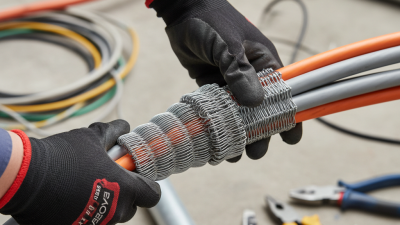
Start by selecting the right sock size for your cable. Measure the cable’s diameter accurately before you buy. If it’s too tight, it may tear during the pull or get stuck. If too loose, the cable could shift, leading to potential damage. Wear safety gear like gloves and goggles. Using protective measures is crucial to prevent any injuries.
When using the pulling sock, attach it securely to the cable. Make sure the sock aligns well with the cable ends to avoid any misalignment. During the pulling process, maintain a steady pace. Jerky movements can create unnecessary strain on both the sock and the cable.
Take care not to exceed the recommended tension limits specified for your pulling sock. This will help prevent breakage and prolong the lifespan of the sock. After completion, regularly inspect the sock for wear and tear. Reflecting on previous pulls can help identify areas of improvement for future projects. Adjust and learn from each experience to refine techniques over time.
Safety Considerations During Cable Pulling Operations
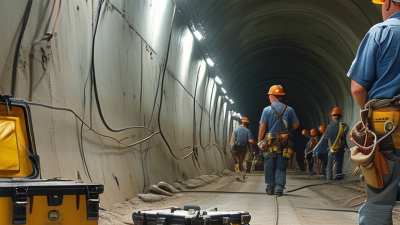
When engaging in cable pulling operations, safety remains paramount. Underground cable pulling involves significant risks, such as potential equipment failure or human errors. Workers must wear appropriate personal protective equipment, including gloves and safety glasses. These items help shield against electrical hazards and physical injuries. Also, ensure that the worksite is well-lit to improve visibility, minimizing chances of accidents.
Establishing clear communication between team members is crucial. Use hand signals or two-way radios to coordinate actions effectively. Regular safety briefings can heighten awareness of the risks involved in the process. Each team member should understand their role and the potential dangers. It's helpful to have an experienced supervisor oversee operations. They can guide newcomers and ensure adherence to safety protocols.
While safety procedures are essential, complacency can lead to mistakes. Regularly reviewing and updating safety measures is important. Learn from past incidents and evaluate what could be improved. Honest discussions about near misses can foster a safety-oriented culture. Continuous learning and adaptation are key to enhancing safety in cable pulling operations.