Leave Your Message

How to Choose the Right Cable Drag Sock in 2026?

Choosing the right Cable Drag Sock in 2026 requires more than matching diameter to cable size. The sock must suit the cable’s weight, outer jacket, pulling distance, and working environment. A model designed for a short indoor pull may fail on a wet construction site. Small details matter, including mesh strength, eyelet design, grip length, and load rating.

Elliot Harper, a veteran cable-installation engineer, explains: “A drag sock should hold the cable firmly without turning a pull into a crushing test.” That principle remains practical. The best Cable Drag Sock spreads tension across the cable instead of concentrating force near one narrow point. Before purchasing, check the manufacturer’s rated pulling load, cable range, material quality, and inspection guidance. Galvanized steel mesh may suit demanding outdoor work, while lighter stainless or textile options can work better around sensitive surfaces.

Real installation experience also exposes weak assumptions. A sock can fit perfectly and still slip when the cable jacket becomes oily or wet. It can look strong while its eyelet begins deforming under repeated pulls. I have learned that compatibility charts are useful, but they cannot replace a hands-on inspection. Measure the cable carefully, consider the actual pulling route, and leave a sensible safety margin. The cheapest option is not always economical. Nor is the heaviest model automatically safer. This guide examines the practical choices, common mistakes, and 2026 selection standards that help installers pull cable with greater control and fewer surprises.
How to Choose the Right Cable Drag Sock in 2026?

Understanding Cable Drag Socks and Their Main Applications

How to Choose the Right Cable Drag Sock in 2026?
Understanding Cable Drag Socks and Their Main Applications

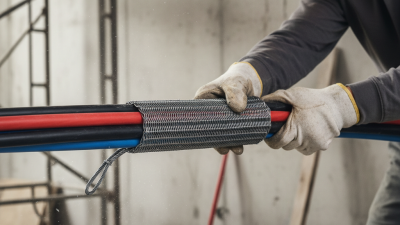
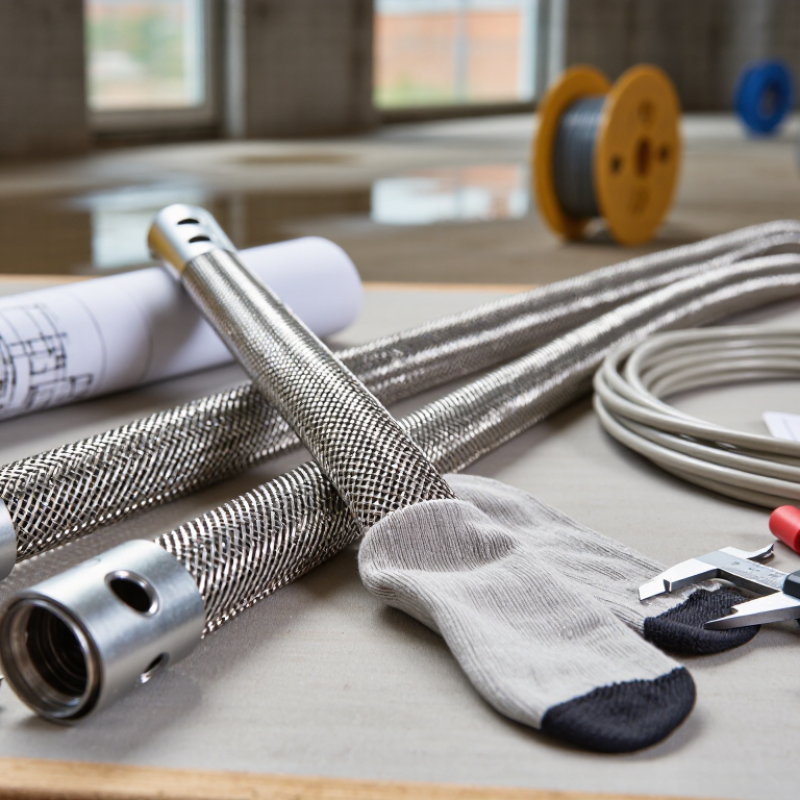
Cable drag socks are braided pulling grips for moving cables through ducts, trays, and tight construction zones. They spread pulling force across the cable jacket, reducing sudden pressure on one point. I have seen crews choose by diameter alone. That shortcut often fails.

Main applications include underground feeder installation, telecom routes, wind farm wiring, and temporary cable positioning. The IEA Electricity 2024 report forecasts global electricity demand will grow by 3.3% annually from 2024 through 2026. More electrical projects mean more demanding cable-pulling work.

Choose the sock according to cable weight, diameter, length, and pulling direction. Single-eye designs suit straight pulls. Double-eye designs help with longer runs and controlled positioning.

Check the rated pulling load, mesh range, eye strength, and minimum bend radius. A loose mesh can slip. An undersized mesh may damage the jacket. It happens.

The U.S. Department of Energy’s National Transmission Needs Study identifies major future expansion needs for transmission networks. This increases the value of reliable installation tools.

For wet or outdoor work, select corrosion-resistant wire and inspect every strand before use. I still recommend testing the fit on a short section first. Real cable surfaces rarely behave like catalog measurements.
Assessing Cable Size, Weight, Length, and Pulling Requirements

How to Choose the Right Cable Drag Sock in 2026?

A cable drag sock must match the cable, not merely fit over it. Measure the cable’s actual outside diameter, including insulation, connectors, and protective coverings. A loose sock can slip during a pull. A tight one may damage the jacket or resist movement. I usually check the diameter at several points because cables are not always perfectly uniform.

Weight matters just as much. A long, heavy cable creates greater tension near the pulling eye. Select a sock with a verified working load higher than the expected pulling force. Do not confuse breaking strength with safe working capacity. That mistake is common. I have seen estimates fail when wet soil, sharp bends, or conduit friction increased resistance.

Length also affects control. The sock should grip a sufficient section of cable without leaving unsupported weight near the connection. For long pulls, consider several pulling points and the cable’s minimum bend radius. Confirm the pulling direction, distance, surface, and number of bends before choosing. A hand pull through a straight tray differs greatly from a powered pull through crowded conduit. Use a swivel when twisting may transfer into the cable. Inspect the mesh, eye, and seams before each use. Replace damaged parts, even when the damage looks minor. My own field notes are not always consistent, so I recheck measurements before ordering. Five minutes of review can prevent an expensive cable replacement.

Comparing Materials, Construction, Load Ratings, and Durability

Choosing a cable drag sock in 2026 requires more than checking its advertised load rating. Grand View Research valued the global cable management market at approximately USD 23.7 billion in 2023, reflecting stronger demand for organized, protected installations. That growth also creates more confusing specifications. A sock should support the cable bundle’s actual weight, pulling tension, and movement cycles, not just a single laboratory figure.

Material selection matters. Galvanized steel mesh suits dry industrial areas and offers useful abrasion resistance. Stainless steel performs better near moisture, chemicals, and coastal air. Polyester versions are lighter and gentler on finished cable jackets, but they may stretch or wear faster under repeated dragging. Construction deserves equal attention. Double-eye designs distribute force more evenly, while tightly woven mesh reduces localized pressure. IEEE 525-2016 stresses controlled cable installation, including attention to pulling tension and sidewall pressure. A higher rating cannot correct poor routing.

Durability should be tested, not assumed. Ask for tensile-test results, mesh-cycle testing, and resistance data for the intended environment. ISO 4892-3 shows why ultraviolet exposure can weaken polymer components over time. Check whether the published load rating applies to static suspension or active pulling; these are not equivalent. I have seen specifications that looked generous but ignored bending and contamination. That is a weakness. Leave a practical margin above the calculated load, inspect the eyelets after installation, and replace the sock when strands flatten, fray, or lose their original shape.

How to Choose the Right Cable Drag Sock in 2026? — Comparing Materials, Construction, Load Ratings, and Durability

Cable Drag Sock Type Primary Material Typical Construction Typical Cable Diameter Indicative Working Load Limit* Temperature Capability Durability Profile Best Application Main Limitations
Galvanized Steel Mesh Zinc-coated carbon steel wire Single-eye or double-eye woven mesh; may include a pulling loop and protective sleeve 10–100 mm Approximately 1.5–6 kN for a representative 25–50 mm cable size About −20°C to 100°C, depending on coating and fittings High tensile strength and good abrasion resistance; zinc coating provides moderate corrosion protection General indoor and outdoor cable pulling, tray installation, and utility work Can rust after coating damage; avoid prolonged exposure to salt water and aggressive chemicals
Stainless Steel Mesh Stainless steel wire, commonly corrosion-resistant austenitic grades Woven mesh with one or two eyes; available with strain-relief support 10–100 mm Approximately 1.5–5 kN for a representative 25–50 mm cable size About −40°C to 120°C, subject to grade and fittings Very good corrosion resistance and stable performance in wet environments Marine areas, washdown zones, food-processing facilities, chemical exposure, and outdoor infrastructure Higher cost; chloride-rich environments can still cause localized corrosion if the grade is unsuitable
Polyester Webbing or Rope Mesh High-tenacity polyester fibers Woven webbing or braided rope body with stitched or spliced eyes 10–80 mm Approximately 0.8–3 kN for a representative 25–50 mm cable size About −40°C to 100°C; prolonged heat can reduce strength Good flexibility and low surface damage; moderate abrasion and UV resistance Indoor routing, finished surfaces, low-noise installation, and applications requiring a lightweight grip More vulnerable to sharp edges, cutting, heat, and long-term ultraviolet exposure than steel mesh
Aramid Fiber Mesh High-strength aramid fibers Braided or woven lightweight mesh with reinforced eyes 10–75 mm Approximately 1.5–5 kN for a representative 25–50 mm cable size Usually suitable up to approximately 120°C; verify the specific fiber system Excellent strength-to-weight ratio and low elongation; abrasion and UV protection are important Weight-sensitive installations, telecommunications, aerospace-related work, and long pulling distances Higher price; can be damaged by rough edges, crushing, UV exposure, and unsuitable chemicals
PVC-Coated Steel Mesh Steel wire with a polymer protective coating Woven steel mesh with a smooth external coating and reinforced eye sections 10–60 mm Approximately 1–4 kN for a representative 25–50 mm cable size About −20°C to 70°C, depending on coating formulation Steel core provides strength while the coating reduces surface marking and incidental corrosion Finished cable jackets, painted surfaces, equipment rooms, and moderate-duty indoor work Coating may crack, soften, or peel under high heat, heavy abrasion, or harsh chemicals
Double-Eye Heavy-Duty Mesh Galvanized or stainless steel wire Longer mesh body with two load-bearing eyes for balanced pulling and improved grip distribution 25–150 mm Approximately 4–15 kN for a representative 50–100 mm cable size About −20°C to 120°C, depending on steel grade and accessories Highest load capacity among the listed configurations when correctly sized and inspected Large power cables, bundled cables, long pulls, and installations involving higher pulling tension Heavier and less flexible; requires careful alignment, adequate eye hardware, and controlled pulling speed
*Load-rating note: The working load limits shown are indicative engineering ranges for comparison only. Actual capacity depends on mesh diameter, cable size, grip length, eye construction, pulling angle, bend radius, condition, and the applicable safety factor. Always use the manufacturer’s certified working load limit, inspect the sock before use, and keep the pull aligned with the rated direction.

Matching Drag Sock Designs to Installation Conditions

How to Choose the Right Cable Drag Sock in 2026?

Matching a drag sock to installation conditions starts with the cable path. In a straight conduit, a standard braided sock can distribute pulling force evenly. For long pulls, choose a reinforced eye and a swivel. They help reduce twisting near bends. The IEA’s Electricity Grids and Secure Energy Transitions report estimates that global grid investment must exceed 600 billion dollars annually by 2030. More cable work also means more difficult retrofit sites. In aging ducts, a compact, flexible mesh may pass more safely than a rigid design.

Wet trenches require corrosion-resistant fittings and a close-weave mesh. Mud can enter loose braids and increase friction. Overhead installation needs a rated support sock, not a basic pulling grip. Check cable diameter, allowable pulling tension, bend radius, and sock length together. The U.S. Department of Energy’s National Transmission Needs Study reports that over 70% of U.S. transmission lines are more than 25 years old. Existing routes may contain sharp edges, crowded conduits, or damaged inner walls. Real sites are rarely perfect.

Tips: Measure the cable with its actual jacket. Test the sock on a short section first. Inspect the eye, mesh, and stitching before every pull. Keep the pulling line aligned with the conduit. I sometimes favor a stronger sock than necessary, but excessive stiffness can create new bending stress. That choice deserves review. Always compare field conditions with the manufacturer’s rated load and the applicable installation standard.

Checking Safety Features, Standards, Compatibility, and Maintenance

How to Choose the Right Cable Drag Sock in 2026?

Choosing a cable drag sock starts with safety, not appearance. In field inspections, I check the mesh, eyelets, stitching, and closure system. A dependable sock should resist pulling, abrasion, twisting, and sudden cable movement. Confirm its rated working load, temperature range, and electrical environment. The product should match applicable industry standards and the manufacturer’s documented test results. Standards vary by region and application. Do not accept vague claims.

Tips: Measure the cable diameter, connector size, and required pulling length. Check the cable’s bend radius. A tight fit can damage insulation. A loose fit can slip. I once focused too much on load capacity and overlooked connector clearance. That mistake taught me to inspect the complete cable assembly, not only the sock. Small details matter.

Maintenance protects both the cable and the crew. Before every use, look for broken wires, flattened mesh, loose stitching, corrosion, or distorted eyes. Clean away grit and oil with an approved method. Do not repair critical load-bearing parts with improvised materials. Remove damaged equipment from service. Keep inspection records, even when the sock appears usable. Storage also matters; dry, shaded areas reduce premature deterioration. Recheck compatibility whenever the cable, connector, route, or pulling method changes. Perfect selection is difficult. Careful review is still essential.

How to Choose the Right Cable Drag Sock in 2026

Cable insulation temperature limits for compatibility screening

Temperature compatibility is only one selection check. Confirm the cable’s actual outside diameter, the sock’s rated working load and minimum breaking load, pulling direction, bend radius, environmental exposure, and the applicable installation requirements before use.

Reference values: IEC 60227 and IEC 60502-1 commonly specify 70°C maximum continuous conductor temperature for PVC insulation and 90°C for XLPE and EPR insulation. Always verify the cable manufacturer’s datasheet and the drag sock manufacturer’s material rating.