Leave Your Message

2026 Top Wire Rope Eye Hook Types Which One Is Best?

Choosing the best Wire Rope Eye Hook in 2026 requires more than comparing prices or rated capacities. Hook geometry, latch design, alloy strength, inspection history, and loading angle all affect real-world performance. A hook that looks oversized may still fail under side loading, shock loading, or an incorrectly seated rope eye. Small details matter.

Recent industry research supports this careful approach. Grand View Research’s 2024 wire rope market analysis identifies construction, mining, marine work, and industrial handling as major demand sectors. MarketsandMarkets’ lifting equipment research also points to stronger interest in safety-focused and traceable components. These trends explain the growing use of self-locking eye hooks, clevis eye hooks, swivel eye hooks, and heavy-duty sling hooks. Yet market popularity does not prove suitability. That is where buyers often make mistakes.

ASME B30.10 provides recognized guidance for hook inspection and safe use, while OSHA 29 CFR 1910.184 addresses related lifting-sling practices in the United States. EN 1677 standards also help define requirements for components used with chain and lifting systems. These references support a practical comparison, but they cannot replace a competent inspection. In a dusty quarry, a self-locking hook may be safer than a basic eye hook. In a corrosive marine setting, material and coating may matter more than mechanism. There is no universal winner. The best choice depends on working load, rope construction, connection method, environment, and maintenance discipline. Even experienced buyers should recheck assumptions before ordering.
2026 Top Wire Rope Eye Hook Types Which One Is Best?

Wire Rope Eye Hook Basics and Key Design Features

2026 Top Wire Rope Eye Hook Types: Which One Is Best?

A wire rope eye hook connects a lifting rope, sling, or fitting to a load. Its eye transfers force into the hook body. The correct type depends on working load limit, rope diameter, load angle, and connection method.

Forged steel eyes generally resist shock better than cast designs. A wide throat helps the hook seat securely around lifting points. A safety latch reduces accidental release, but it does not increase the working load limit. The latch must close fully. It should not carry the load.

Grand View Research estimated the global wire rope market at approximately USD 8.6 billion in 2023. Its report also projected continued growth through 2030. More lifting equipment means more selection pressure on hook design. Yet market growth does not make every hook suitable. ASME B30.10 and OSHA 1910.184 emphasize marked capacity, inspection, and proper use.

A hook should show its working load limit clearly. Never confuse that value with breaking strength. A side-loaded hook can lose capacity quickly. An angled sling also changes force distribution. BLS recorded 5,283 fatal work injuries in the United States during 2023, although that figure covers all industries. It still reminds us that small hardware decisions matter.

No design is perfect. Even a strong hook can fail after deformation, corrosion, or repeated overload. Inspect the eye, throat, latch, and markings before every lift. The best type is the one matched to the actual load, not the largest-looking hook.
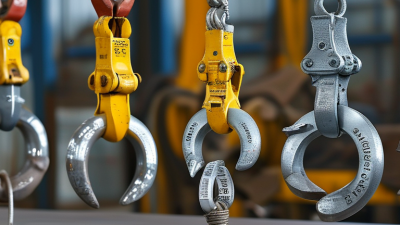
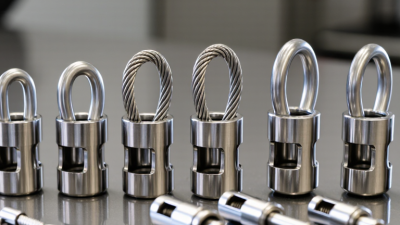
How Different Eye Hook Types Compare in 2026

2026 Top Wire Rope Eye Hook Types: Which One Is Best?

How Different Eye Hook Types Compare in 2026

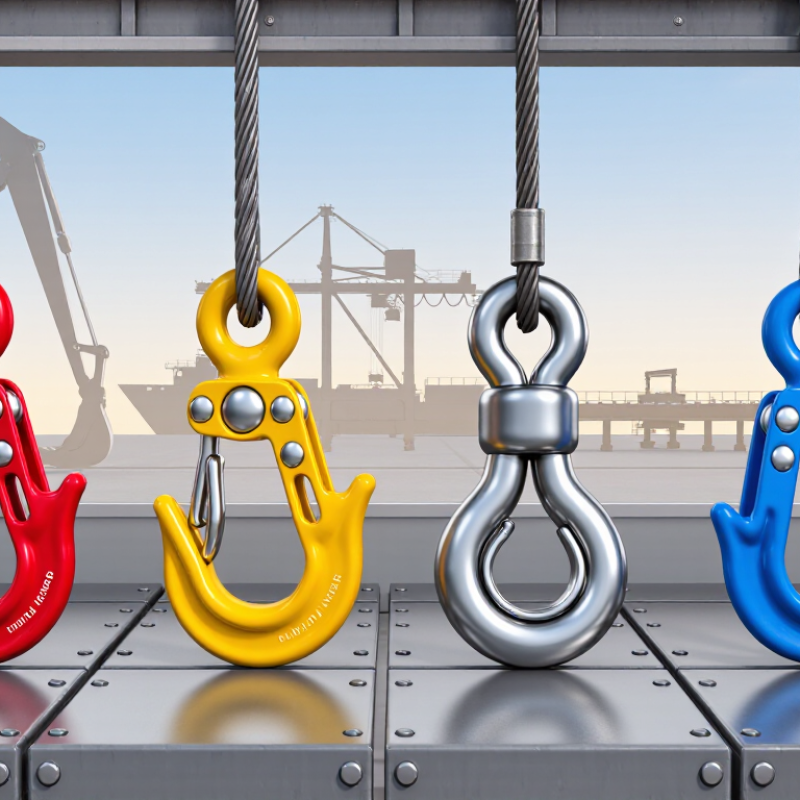
Choosing an eye hook starts with the load path, not the catalogue photo. A plain eye hook suits steady, vertical lifting with limited rotation. Its eye connects easily to wire rope thimbles, but side loading remains a serious weakness. A swivel eye hook handles rotation better. It can reduce rope twisting when the load turns, although its bearing requires careful inspection. Self-locking eye hooks offer stronger load retention during movement. They are useful where accidental unhooking is possible. Not every job needs that complexity.

The European Agency for Safety and Health at Work reports that handling and lifting activities remain major contributors to workplace injuries. The UK Health and Safety Executive recorded 138 worker fatalities in 2023/24, although not all involved lifting equipment. These figures reinforce a practical point: hook selection cannot replace inspection. ASME B30.10 requires hooks to be inspected for cracks, deformation, throat opening, and latch problems. Measure it.

In field use, a hook with a wider throat may connect faster, but it can reduce control around narrow attachment points. Swivel designs may perform better with rotating loads, yet dirt and poor lubrication can affect movement. I have seen teams choose by working load limit alone. That is incomplete. The best 2026 eye hook matches load direction, rotation, connection size, inspection access, and the manufacturer’s rated capacity. Even experienced riggers can miss the interaction between rope angle and side loading.

2026 Top Wire Rope Eye Hook Types Which One Is Best? - How Different Eye Hook Types Compare in 2026

Eye Hook Type Typical Wire Rope Connection Throat Opening Latch Configuration Rotation Capability Typical Working Load Range* Best Application Main Advantages Key Limitations Relative Selection Rating
Eye Sling Hook Wire-rope eye, soft eye, thimble eye, or compatible connector Medium; designed to accept common sling eyes without excessive side loading Spring-loaded safety latch is commonly available Normally fixed; the hook itself does not provide free rotation Approximately 1 to 15 metric tonnes, depending on size, grade, and design General-purpose lifting slings, overhead lifting, and material-handling operations Versatile shape, good load seating, broad availability, and easy visual inspection Must be loaded in the bowl; tip loading and side loading can significantly reduce capacity Best all-round choice
Eye Slip Hook Wire-rope choker arrangement or an eye that must pass through the hook throat Relatively wide; permits passage of a sling eye or rope loop Latch may be fitted, but some designs are supplied without one Fixed unless paired with a separate swivel component Approximately 0.8 to 12 metric tonnes, depending on size and configuration Choker hitches, temporary attachment, and applications requiring quick rope release Fast connection and release; useful when the rope must pass through the throat Not normally the first choice for permanent load connection; the rope can disengage if slack develops Best for quick-release work
Eye Grab Hook Usually sized for chain links; use with wire rope only when specifically designed and approved Narrow; grips a selected link or shortening point Often open-throat; a latch is not always provided Fixed Approximately 0.5 to 10 metric tonnes for comparable lifting sizes Shortening chain legs and controlled length adjustment in mixed rigging systems Compact, strong engagement, and effective for shortening compatible chain assemblies Generally unsuitable for direct wire-rope contact; a narrow throat may damage or distort the rope Limited for wire-rope use
Self-Locking Eye Hook Wire-rope sling eye, master link, or rated lifting connector Medium to wide, depending on the safety-locking mechanism Automatic locking latch that closes and locks under load Normally fixed; use a rated swivel separately when rotation is required Approximately 1 to 25 metric tonnes, depending on hook geometry and grade Critical lifts, personnel-protection areas, and operations where accidental unhooking is a concern High connection security and reduced risk of latch opening during normal loading Usually heavier, more expensive, and less convenient to connect than a standard latch hook Best for connection security
Swivel Eye Hook Wire-rope sling eye or rated swivel-compatible connector Medium; selected according to sling eye size and required articulation Safety latch or self-locking latch may be included Designed to rotate around a rated bearing or swivel assembly Approximately 1 to 20 metric tonnes, depending on the swivel design and load direction Long lifts, rotating loads, lifting beams, and operations where rope twist must be controlled Helps reduce torsional buildup and improves alignment between the hook and load Rotation is not automatically permitted under every load condition; bearing maintenance and load limits are essential Best for twist control
Foundry or Wide-Mouth Eye Hook Large wire-rope eyes, heavy slings, lifting bars, or bulky connecting points Wide and deep; provides greater clearance around large attachment points Safety latch may be available, but configuration varies Usually fixed Approximately 5 to 50 metric tonnes, depending on design, material, and lifting angle Heavy fabrication, steel handling, large castings, and bulky industrial loads Large bowl and throat reduce interference with oversized sling eyes and connectors Heavy and bulky; not efficient for small ropes or confined lifting points Best for large attachments
Eye Shortening Hook Designed for compatible rope or chain assemblies with a defined shortening point Narrow to medium; shaped to retain the selected section of the assembly May include a retaining latch or locking feature Fixed Approximately 1 to 15 metric tonnes, depending on the approved assembly Adjustable sling length, controlled lifting angles, and multi-leg rigging systems Allows length adjustment without completely dismantling the lifting assembly Compatibility is critical; incorrect engagement can cause slippage, point loading, or rope damage Best for adjustable rigging
Eye Clevis Hook Wire-rope sling eye connected by a clevis pin or compatible rated fitting Medium; generally smaller than a wide-mouth hook Safety latch is commonly available Fixed unless fitted to a separate swivel or rotating connector Approximately 1 to 20 metric tonnes, depending on the approved assembly Compact rigging systems, replaceable hook assemblies, and applications requiring pin-connected components Compact profile and convenient replacement of the hook body or pin assembly Pin, nut, and retaining components require inspection; not suitable for unapproved side loading Best for compact assemblies

*Working load ranges are indicative industry ranges for commonly manufactured lifting-hook sizes, not a substitute for the marked working load limit of a specific hook. Always match the hook to the wire-rope diameter, sling construction, loading angle, hitch type, temperature, inspection requirements, and the applicable lifting standard. Never exceed the lowest-rated component in the complete assembly.

Choosing the Right Hook for Load, Safety, and Application

Choosing the Right Hook for Load, Safety, and Application

Selecting a wire rope eye hook starts with the load, not the hook’s appearance. A clevis eye hook suits fixed sling assemblies and frequent inspection. A swivel eye hook helps control rotation when the load turns during lifting. Self-locking hooks provide stronger closure protection when shock movement or overhead positioning is possible. Ordinary eye hooks may work for stable, controlled lifts, but they demand careful rigging discipline.

Working load limit matters more than rated breaking strength. The angle, hitch type, rope condition, and loading direction can reduce practical capacity. ASME B30.10 requires hooks to be inspected for cracks, deformation, latch problems, and excessive wear. OSHA 1910.184 also requires removal of defective slings from service. In 2023, the U.S. Bureau of Labor Statistics recorded 5,283 fatal workplace injuries. That figure covers every industry, yet it shows why small lifting decisions deserve serious attention.

Field experience often exposes the weak point: not the steel, but the connection. I would choose a latch-equipped hook for changing site conditions, then verify its WLL against the actual sling angle. Never side-load an eye hook unless the manufacturer’s technical data allows it. That assumption can fail quietly. Markings may be difficult to read after paint, abrasion, or corrosion, so inspection records should identify the hook clearly. The best hook is the one matched to the load path, inspected before use, and rejected when its condition becomes uncertain.

Inspection, Installation, and Maintenance Requirements

2026 Top Wire Rope Eye Hook Types: Which One Is Best?

Inspection, Installation, and Maintenance Requirements

Choosing an eye hook starts with the lifting task, not appearance. Swivel eye hooks suit changing load directions, while fixed eye hooks work better for stable, vertical lifts. Self-locking hooks add protection when slack or movement could release the load. Clevis-style eyes can simplify compatible wire rope connections. The correct working load limit must match the complete lifting assembly.

Inspect every hook before use. Look for cracks, stretched throats, bent bodies, damaged threads, worn latches, and deep corrosion. Measure suspicious throat openings against the original dimensions. A hook that looks acceptable may still have hidden fatigue. Remove it from service when deformation, heat damage, or unclear markings appear. Do not guess.

Installation demands controlled handling. Seat the rope correctly in the eye or approved connection, and prevent side loading. The load should rest smoothly in the bowl, never on the tip. Confirm the latch closes fully, if fitted. Keep hands away from pinch points during tensioning. After installation, apply a small test lift and watch for twisting, slipping, or uneven loading. This step is often rushed.

Maintenance records should identify the hook, inspection date, findings, and corrective action. Clean off salt, grit, and old residue before close examination. Lubricate moving parts only with a suitable product. Store hooks dry, supported, and away from welding sparks or chemicals. Periodic inspections should follow the manufacturer’s instructions and applicable safety standards. Even experienced crews miss small defects sometimes. A second inspection is worthwhile.

2026 Top Wire Rope Eye Hook Types Which One Is Best? - Inspection, Installation, and Maintenance Requirements

How to read the chart: Wire-rope eye-hook assemblies should be checked before every use. Under commonly used OSHA and ASME guidance, frequent inspections may range from daily to monthly, while periodic inspections may range from one to twelve months depending on service frequency, severity, and operating conditions.

Selection guidance: Eye sling hooks with positive latches are generally preferred for general lifting because the latch helps retain the load when the hook is not fully loaded. Eye grab hooks are used when chain or wire-rope shortening and secure engagement are required. Self-locking eye hooks are suitable where accidental unhooking must be minimized. The correct choice must always be based on the marked working load limit, load geometry, connection method, and applicable lifting standard.

Installation and maintenance: Center the load in the hook bowl, avoid side loading and tip loading, secure the wire rope with an approved termination, and verify that the latch closes completely. Remove the assembly from service if the hook is cracked, twisted, excessively opened, deeply gouged, severely corroded, or missing its identification and working-load-limit markings.

Reference framework: OSHA 29 CFR 1910.184 and ASME B30.10 inspection practices. The intervals shown are upper guidance boundaries, not a substitute for the manufacturer’s instructions or a qualified person’s inspection plan.

Best Wire Rope Eye Hook Selection by Use Case

Choosing the best wire rope eye hook depends on the task, not appearance. For general lifting slings, an eye sling hook with a safety latch offers controlled connection and reduces accidental release. Match its working load limit to the sling system, not only the hook size. A 16 mm rope may still require different hardware under angled loading.

For choker applications, choose a hook designed to grip without damaging the rope strands. A self-locking eye hook can suit overhead lifting where the load may shift, but it must close completely before lifting.

For compact equipment, a short eye hook saves space. However, limited clearance can make inspection difficult. That trade-off is easy to overlook.

Check the eye diameter, throat opening, latch movement, and visible markings. The hook should fit the rope attachment without forcing the eye sideways. Keep the load centered in the bowl. Never load the tip.

Field teams should inspect for cracks, spreading, corrosion, bent latches, and worn contact surfaces. Remove questionable hooks from service. Do not judge condition by paint or surface shine. A clean-looking hook may have hidden deformation.

In practice, selection is often rushed around noisy lifting areas, and that creates mistakes. I would also verify the load angle and connection method twice, because a technically correct hook can still be unsuitable for the entire lifting arrangement. Record inspections and follow the applicable manufacturer instructions and workplace safety requirements.