Leave Your Message

7 Best Wire Rope Tightener Flower Baskets for Global Buyers

Global buyers are paying closer attention to compact lifting and tensioning hardware. The Wire Rope Tightener Flower Basket is one such product. It combines a basket-style body, threaded adjustment, and wire-rope support. Selection affects stability, installation speed, and service life.

Grand View Research reported that the global steel wire rope market reached approximately USD 9.4 billion in 2023. Its report also forecasts steady growth through 2030. MarketsandMarkets identifies construction, marine work, energy, and industrial handling as major demand areas. These figures suggest rising opportunity, but they do not guarantee product quality. Small details matter.

W. E. “Bill” McKissick, a respected wire-rope authority, is widely credited with saying, “Wire rope is a machine, not a cable.” That principle applies directly here. A reliable Wire Rope Tightener Flower Basket needs suitable rope diameter, verified working load limits, corrosion-resistant materials, and clear inspection guidance. Threads should turn smoothly, without binding or sharp damage. The basket should sit evenly under tension. A cheap finish may look acceptable at first. It can deteriorate quickly in coastal air or dusty construction zones.

This guide reviews seven leading options for global buyers. Each product is considered through load control, material quality, adjustment range, installation practicality, and supplier reliability. Standards and test documents should be checked before purchase. Product descriptions are sometimes incomplete. That remains a judgment call. Buyers should confirm dimensions, certifications, replacement parts, and after-sales support directly with manufacturers.
7 Best Wire Rope Tightener Flower Baskets for Global Buyers

Wire Rope Tightener Flower Baskets: Definition and Main Uses

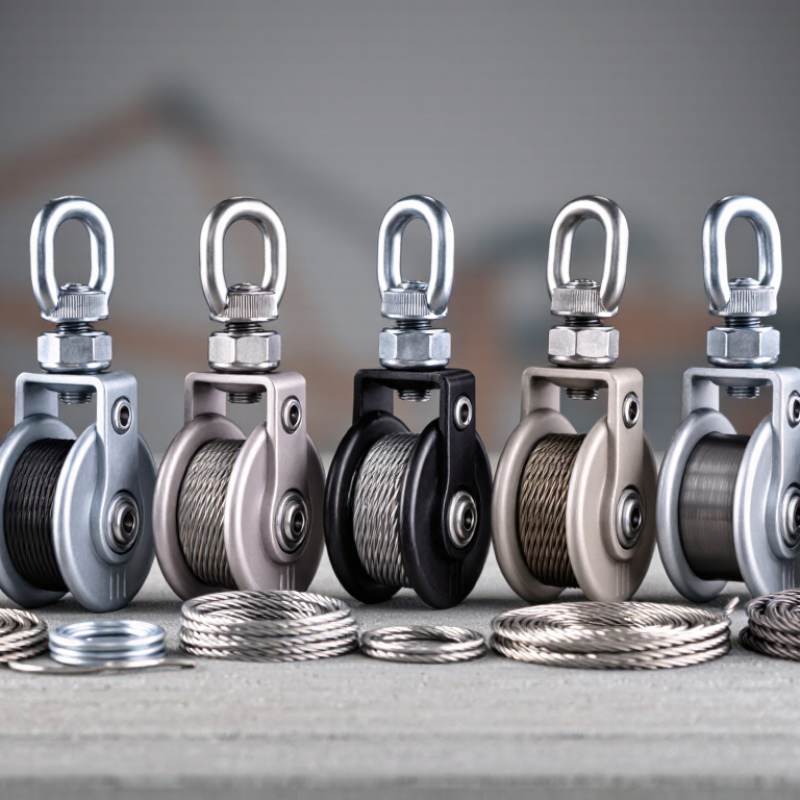
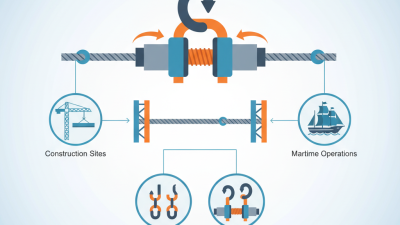
A wire rope tightener flower basket is a compact tensioning device for cable systems. Its open, basket-like body connects two threaded ends, hooks, or eye fittings. Turning the central body shortens the assembly and increases cable tension. The name can confuse buyers because it describes the shape, not a plant container.

These tensioners are common in trellis frames, shade structures, guard cables, hanging displays, and architectural wire grids. They help keep stainless steel rope straight between posts. In flower baskets, they can support suspension cables and reduce visible sag. However, they should not be treated as lifting equipment unless the product has a verified working load rating.

Material selection matters. Stainless steel suits outdoor and coastal locations, while galvanized steel may provide a practical option for sheltered projects. Check rope diameter, thread size, end fitting type, adjustment range, and corrosion resistance before ordering. A small mismatch can stop installation.

Measure twice.

During site inspections, I have seen tensioners tightened too aggressively. The cable looked neat, but the posts began leaning. That detail is easy to miss. Buyers should confirm the required tension, anchor strength, and safety factor with a qualified professional. Product drawings, test information, and clear inspection guidance also improve purchasing reliability across different markets. Testing standards may vary, so local requirements still need careful review.
Key Features of the Seven Best Flower Basket Models

7 Best Wire Rope Tightener Flower Baskets for Global Buyers

Key Features of the Seven Best Flower Basket Models

Global buyers should compare more than appearance. Grand View Research valued the global wire rope market at approximately USD 8.6 billion in 2023, with steady growth projected through 2030. That demand reflects stronger interest in durable lifting and suspension components. For flower baskets, the seven leading models include screw-eye, turnbuckle, ratchet, cam-lock, spring-assisted, compact, and corrosion-resistant designs. Each model serves a different balcony, greenhouse, or storefront setting.

The screw-eye model offers simple adjustment and low maintenance. The turnbuckle model provides precise tension for symmetrical displays. Ratchet models suit heavier baskets, but their handles need enough clearance. Cam-lock designs work quickly. They are useful during seasonal plant changes. Spring-assisted models absorb minor movement caused by wind. The compact model saves space, although its small grip can punish wet hands. The corrosion-resistant model uses stainless steel or protective coatings for humid environments.

Buyers should check working load limits, rope diameter, locking security, and drainage conditions. ISO 4309 provides useful guidance on wire-rope inspection, although it primarily addresses lifting applications. Visual checks still matter here. Look for broken wires, flattened strands, rust spots, and slipping hardware. The U.S. Consumer Product Safety Commission has repeatedly emphasized secure installation for hanging products. A rated connector is not automatically a safe installation. I would not pretend one model fits every balcony. Wind exposure, pot weight, and maintenance habits can change the practical choice.

How to Compare Materials, Sizes, and Load Capacities

Choosing among wire rope tightener flower baskets requires more than comparing attractive photographs. Measure the basket diameter, rope length, wire diameter, and adjustment range. These details affect installation and balance. A 300 mm basket may suit a small balcony, while larger baskets need stronger suspension points and thicker rope. Do not judge capacity from basket size alone. Wet soil, mature plants, and trapped rainwater can greatly increase weight.

Material selection also affects service life. Stainless steel resists moisture and salt air well, while galvanized steel can offer practical protection in ordinary outdoor conditions. Coated wire may improve handling, but damaged coatings can hide corrosion. Check the stated working load, not only the breaking load. Include the basket, soil, plants, water, wind movement, and hardware in your calculation. A sensible safety margin is essential, yet local installation conditions may require a professional assessment.

Tips: Ask for material grades, test reports, dimensions, and clear load ratings before ordering. Compare several samples by checking threads, clamps, rope ends, and adjustment smoothness. The tightener should move firmly without sudden slipping. I would also inspect the product after simulated wet loading. Catalog figures can look precise, but real gardens are less predictable. Small errors in measurement or anchoring can become expensive failures. Recheck the assembly after strong wind, heavy rain, or seasonal plant growth.

Safety Standards and Selection Criteria for Global Buyers

A wire rope tightener flower basket must be judged as a load-bearing assembly, not only as garden décor. Global buyers should request a clear working load limit, material grade, and test evidence. The stated load should include the basket, wet soil, mature plants, and wind exposure. A small margin matters. Look for stainless steel or suitably protected wire rope, secure end fittings, and smooth adjustment threads. Sharp edges may damage gloves, ropes, or nearby surfaces. Corrosion resistance should match the installation area, especially coastal or humid locations.

Safety documentation should identify inspection methods and applicable regional requirements. Standards for wire rope, lifting components, and structural attachments may differ between markets. Do not assume one certificate satisfies every destination. Check traceability, batch records, installation instructions, and replacement guidance. During inspection, examine broken wires, crushed strands, loose clamps, distorted hooks, and thread wear. A basket that tilts several degrees may indicate uneven loading or connection failure. Appearance alone is not enough. I have seen attractive fittings hide poor alignment, so this step deserves patience.

Tips: Measure the actual hanging load before purchase. Test the tightener by hand, without forcing the thread. Keep the basket away from pedestrian routes when possible. Recheck every connection after heavy rain or strong wind. Avoid mixing unverified fittings from different suppliers. One practical weakness remains: product labels can be incomplete. Ask direct questions, record the answers, and retain inspection photos for future reference.

International Sourcing, Pricing, and Maintenance Considerations

Global buyers should treat wire rope tightener flower baskets as engineered outdoor products, not simple decorative containers. Confirm basket diameter, rope length, tightening range, drainage design, and safe working load before requesting quotations. Galvanized or stainless steel rope usually performs better in humid climates, but coating quality varies between suppliers. Ask for material certificates, dimensional drawings, and recent load-test records. Clear evidence matters more than polished catalog photographs.

Pricing should include more than the unit figure. Compare tooling charges, sample costs, minimum order quantities, packaging, freight, insurance, and import duties. A low quote can become expensive after reinforced cartons or port handling fees appear. Request two samples from separate production batches when possible. Check thread movement by hand, inspect weld points, and measure the rope against the approved drawing. This takes time, but it can expose inconsistent production. I would not rely on one attractive sample alone.

Maintenance begins before installation. Keep the tightening mechanism free from soil, fertilizer, and standing water. Inspect the rope for broken strands, flattened sections, and rust after severe weather. A small brush and light corrosion-resistant lubricant can help, although excess oil may stain flowers or paving. Retighten gradually, never by forcing a stiff thread. Seasonal inspection is easy to postpone. That is where many failures start. Regional climate, installation height, and basket weight should influence the maintenance schedule. Salt air may demand monthly checks, while dry inland sites may need fewer inspections.