How to Use Dee Shackle in Rigging and Safety Practices?
Dee Shackles are crucial components in rigging and safety practices. They are widely used in various industries, including construction and maritime. Reports suggest that mistakes in rigging can lead to significant accidents, with some studies estimating a 35% increase in workplace injuries related to improper rigging. This highlights the importance of using reliable equipment like Dee Shackles.
Proper usage of Dee Shackles can enhance safety and efficiency. They are designed to connect different rigging elements securely. However, it is essential to ensure they are the right size and rated for the load they carry. Industry guidelines recommend regular inspection and maintenance of all rigging hardware, including Dee Shackles, to prevent failures.
While the use of Dee Shackles is straightforward, oversights can be common. For instance, miscalculating the load can lead to severe accidents. Workers must be trained to recognize when a shackle is overloaded or worn out. Ignoring these signs can result in catastrophic failures, underlining the need for constant vigilance in rigging practices.
Understanding Dee Shackles: Types and Specifications in Rigging
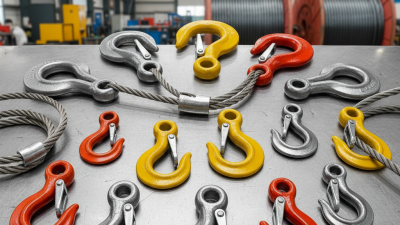
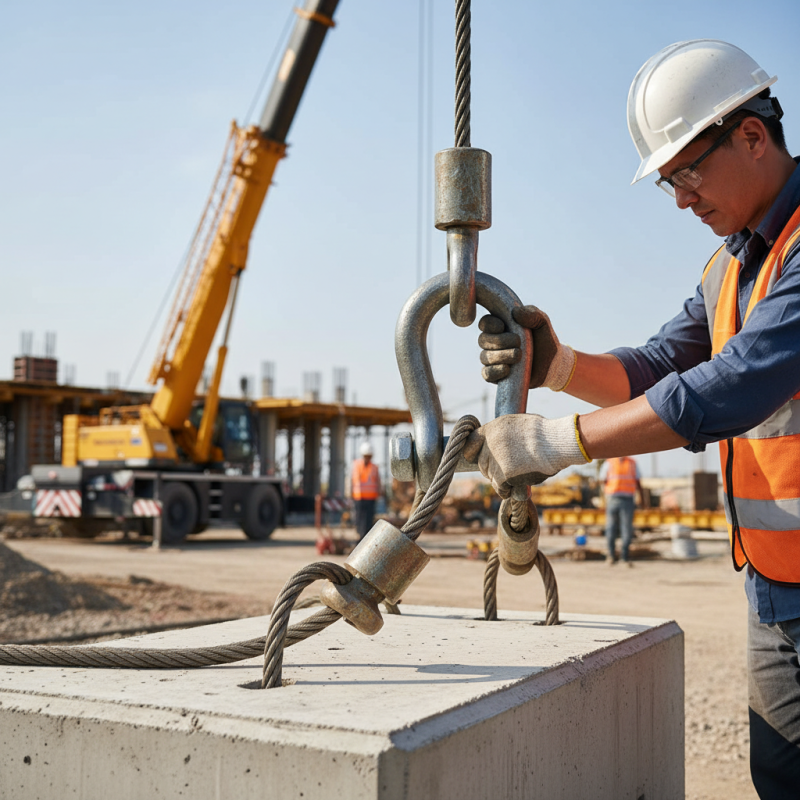
Dee shackles are essential components in rigging systems. They facilitate connections between different elements and ensure load stability. In the industry, two primary types of dee shackles dominate: anchor shackles and safety shackles. Each type has specific specifications that define its use in various applications. For instance, safety shackles offer additional locking mechanisms to prevent accidental unhooking. This feature enhances safety in high-stakes environments.
According to recent industry reports, the global market for rigging and lifting equipment, including dee shackles, is projected to grow significantly, reaching over $7 billion by 2025. This growth reflects a rising emphasis on safety practices across sectors, including construction and marine. However, despite the advancements, many workers overlook the importance of regular inspections. Only 30% of surveyed professionals reported checking their shackles regularly. This oversight can lead to unsafe conditions and increased risks.
Material selection is crucial. Most dee shackles are made from steel to enhance strength. The critical load rating often varies with the size. Therefore, weighing the load is vital. Users often underestimate the impact of corrosion and wear. Regular maintenance is necessary, yet only 40% of companies have structured maintenance schedules. These gaps highlight areas needing attention.
Enhanced training on the proper use and care of dee shackles remains a pressing requirement in the industry.
Key Safety Standards for Using Dee Shackles in Lifting Operations
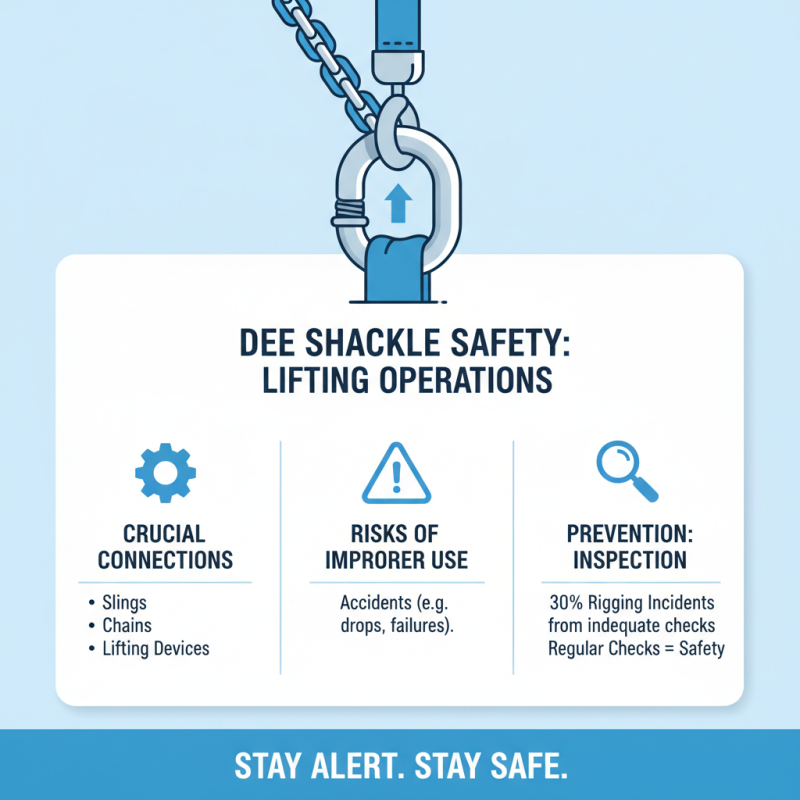
Dee shackles are crucial in lifting operations. They connect slings, chains, and other lifting devices. However, improper use can lead to accidents. According to industry reports, about 30% of rigging incidents result from inadequate equipment inspection. Regular checks are essential for safety.
Adhering to safety standards is vital. The American National Standards Institute (ANSI) recommends that shackles be inspected before each use. It’s advisable to replace any shackle showing signs of wear or deformation. Statistics show that over 60% of users do not follow these guidelines. This negligence can endanger lives.
Training is another critical factor. Effective training programs reduce the risk of mishaps. Data suggests that organizations with proper training have 50% fewer accidents. Additionally, knowing the correct load limits is key. Exceeding these can compromise the shackle's integrity. Awareness of these standards can prevent serious injuries.
Proper Inspection Techniques for Dee Shackles to Ensure Safety
Dee shackles play a crucial role in rigging and safety practices. Proper inspection techniques are key to ensuring they function correctly and safely. According to the International Organization for Standardization (ISO), nearly 80% of rigging failures are attributed to improper equipment maintenance. Regularly inspecting dee shackles helps prevent such failures.
Visual inspections should be conducted before each use. Look for signs of deformation or rust. Any noticeable wear could indicate a potential failure point. Even minor cracks might compromise the integrity of the shackle. It’s recommended that facilities adopt a strict inspection routine, checking load ratings and ensuring they are within safe limits.
Documentation of inspections is often overlooked. Yet, data from the Occupational Safety and Health Administration (OSHA) reveals that proper logging can reduce workplace accidents by 30%. Too often, employees miss this step, leading to unsafe practices. Regular training sessions on inspection protocols further enhance safety efforts. Reflection on these practices can turn observations into actionable improvements, promoting a culture of safety.
Best Practices for Rigging with Dee Shackles in Various Industries
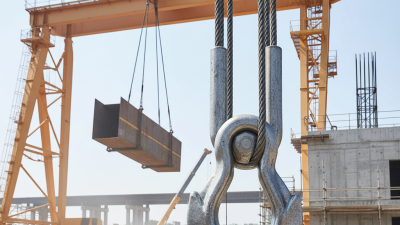
Dee shackles are essential in rigging across various industries. They offer strong connections between components. In construction, they are vital for hoisting materials. The right size and load rating are crucial. Always check for wear and rust before use. A worn shackle can lead to accidents.
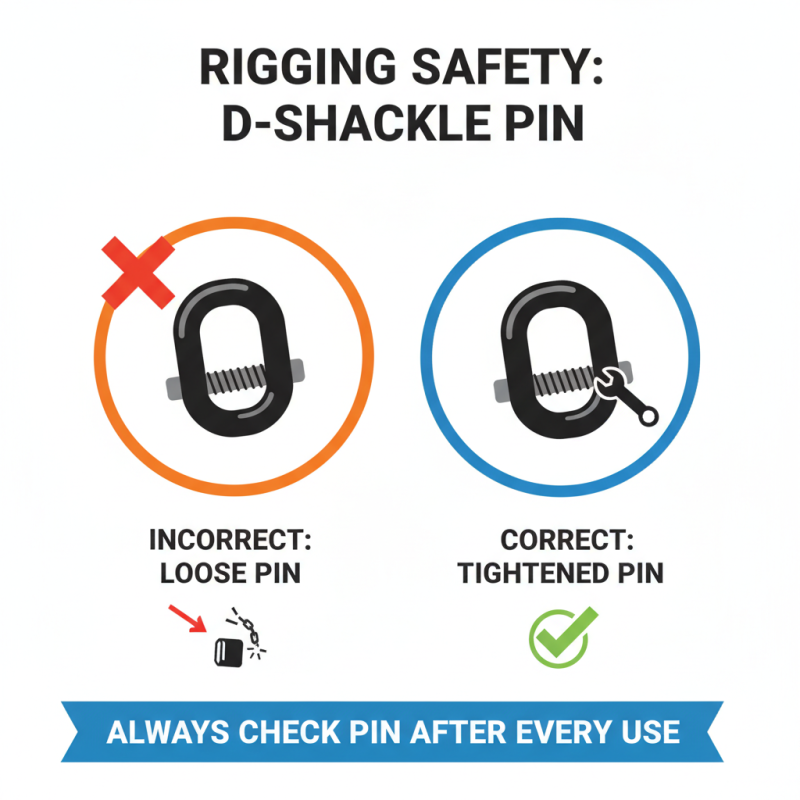
In maritime operations, Dee shackles connect ropes and chains. Careful inspection is necessary to ensure they are intact. It's crucial to align the shackle pin correctly to avoid cross-loading. Misalignment can weaken the load capacity. Always use safety measures, like safety lanyards, to prevent loss.
In entertainment rigging, Dee shackles support heavy equipment. Proper training is essential for workers. Even minor mistakes can have severe consequences. Test loads should be within safe limits. Documenting each use helps in tracking wear and tear. Regular audits of rigging practices allow teams to reflect and improve.