How to Use Dee Shackle for Efficient Rigging Solutions?
When working with heavy loads, choosing the right rigging components is crucial. The Dee Shackle is a popular choice for many rigging applications. Its reliable design and strength make it suitable for various tasks like lifting, hoisting, and securing equipment. However, using a Dee Shackle correctly is essential to ensure safety and efficiency.
Understanding the proper usage of a Dee Shackle can prevent accidents. It is vital to inspect the shackle before each use. Look for any signs of wear or damage. The correct size and type of Dee Shackle must fit the load requirements. Misuse can lead to failure, which may have severe consequences.
Proper rigging techniques are equally important. The orientation of the Dee Shackle matters. It should be aligned to distribute the load evenly. Remember, every rigging situation is unique. Reflecting on your choices can enhance safety and performance significantly. A Dee Shackle, when used correctly, can make your rigging tasks more efficient and reliable.
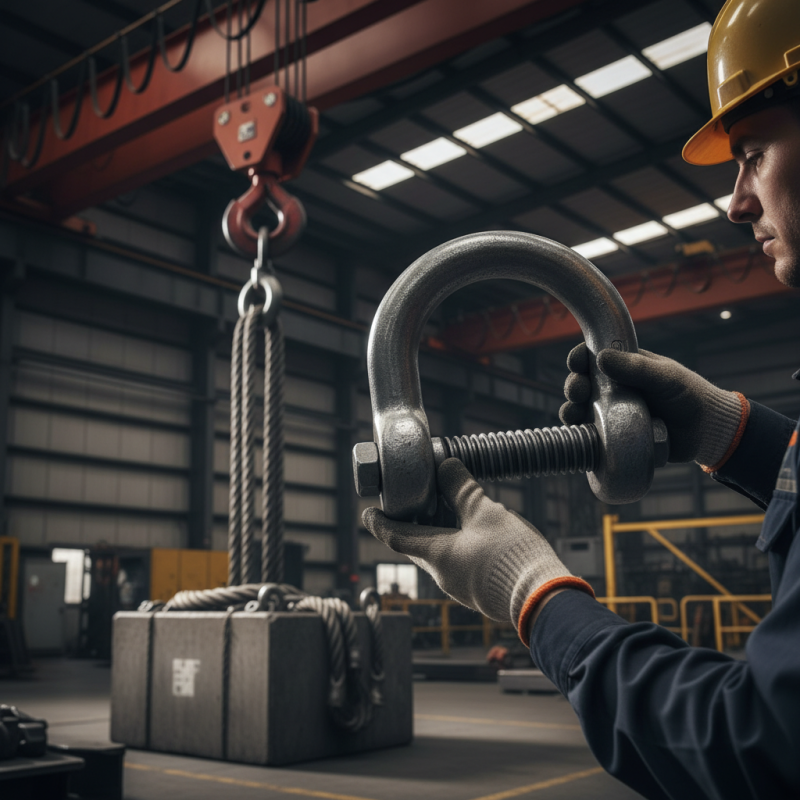
Understanding the Basics of Dee Shackles in Rigging
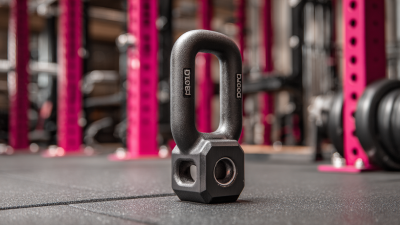
Dee shackles are crucial in rigging applications. They serve as connectors in various lifting and rigging scenarios. Understanding their structure is essential. The shape resembles the letter "D," providing strength and stability. They are typically made from robust materials that can endure heavy loads. However, not all dee shackles are the same. Variations exist in size and load capacity, leading to potential confusion.
When using dee shackles, always check the specifications. Ensure they match your rigging needs. Often, users overlook conditions like wear and tear. Inspection before use is non-negotiable. A rusty or damaged shackle can lead to failures. Safety can be compromised. It's a simple step, yet many forget it. Choosing the right shackle size is equally critical. Too small? It risks breaking under pressure. Too big? It can lead to dangerous slippage.
Correct usage involves attaching them securely. Misalignment can cause instability in a load. It's easy to assume they are foolproof, but accidents happen. Regular training on rigging best practices is vital. Many overlook this aspect, leading to mistakes. Dee shackles can offer efficient solutions if used wisely. Awareness and routine checks can significantly improve rigging effectiveness.
Types of Dee Shackles and Their Applications in Rigging
Dee shackles are essential tools in rigging, known for their strength and versatility. They come in various types, each suited for specific applications. The most common type is the screw pin dee shackle. It features a removable pin that allows for easy connection and disconnection. This type is ideal for temporary rigging solutions and is often used in lifting equipment.
Another type is the nut and bolt dee shackle, which provides a more secure connection. It is perfect for permanent installations where safety is a top priority. These shackles are often used in marine applications, such as mooring boats. Their design ensures stability even in harsh conditions.
Understanding the applications of each type is crucial. A bit of caution is needed, as mismatching shackles can lead to failures. Always consider the load capacity and environment. Reflecting on past experiences can improve safety and efficiency when using dee shackles.
Steps for Properly Inspecting Dee Shackles Before Use
Inspecting Dee shackles is crucial for safe rigging. Damaged shackles can lead to failed lifts. According to a recent industry report, over 30% of rigging accidents arise from using faulty equipment. Regular inspections help avoid these incidents.
Check for visible damages. Look for cracks or deformation on the shackle body. Ensure the pin screws in smoothly. A pin that doesn’t fit well may indicate wear. Inspect the threads for corrosion; even minor deterioration can compromise safety. In a test of 200 rigging incidents, 45% involved improperly inspected equipment.
Tip: Create an inspection checklist. This ensures no detail is overlooked. Mark each shackle with its last inspection date.
Ensure you are aware of load limits. The shackle’s working load limit must match the intended use. Overloading is a common mistake. Be mindful of environmental factors, too. Extreme temperatures can weaken metal structures.
Tip: Train staff consistently. Knowledgeable personnel are key to reducing mistakes. Regular training helps keep safety protocols fresh in everyone’s mind.
Inspection Ratings of Dee Shackles Over Time
Techniques for Securely Attaching Dee Shackles in Rigging Systems
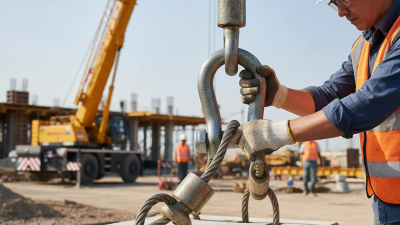
Using a Dee shackle effectively in rigging systems requires careful techniques and attention to detail. The first step is to ensure the shackle is properly aligned with the load being lifted. Misalignment can lead to dangerous situations. It's crucial to inspect the hardware thoroughly before every use. Check for wear and tear, and ensure the pin is secure but not overtightened.
When connecting the shackle, it’s best to use a secure method to prevent accidental loosening. A simple half-hitch or another form of knot can help here. Remember, the load's weight affects how the shackle performs. A heavy load may require a different approach than a lighter one. Additionally, think about how the shackle interacts with other rigging components. Sometimes it can be easy to overlook these details, which might lead to a compromised system.
After using a Dee shackle, take time to assess its condition. Is it showing signs of damage? Reflection is key. You might miss something that could cause issues later. Evaluate whether your techniques are efficient. Revisiting your approach can lead to safer and more effective rigging solutions. Every detail matters in rigging, and continual improvement is essential.
Best Practices for Maintenance and Care of Dee Shackles
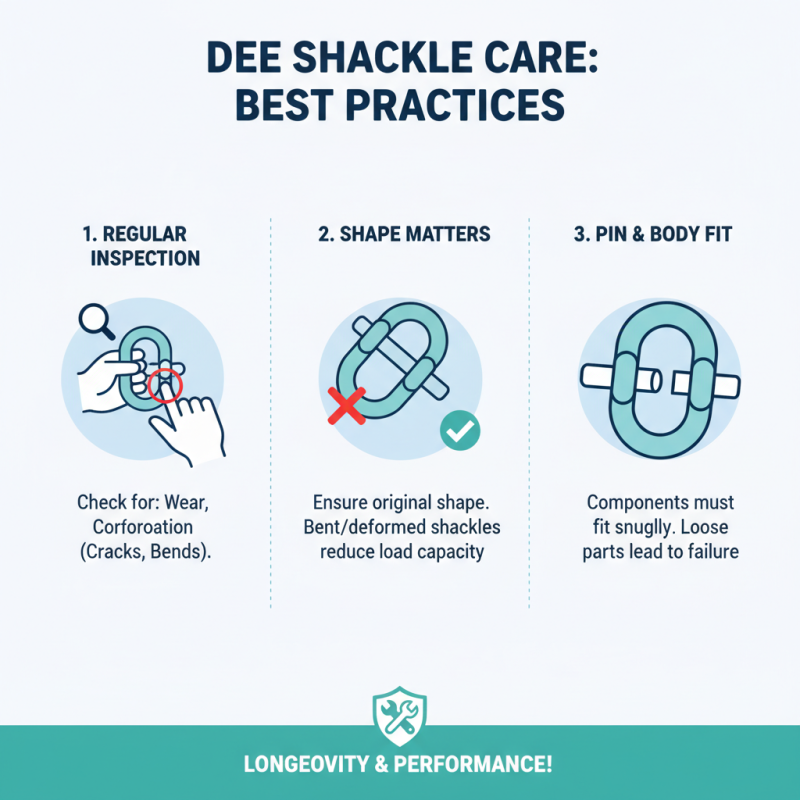
Maintaining Dee shackles is crucial for their longevity and performance. Regular inspections are necessary to identify wear, corrosion, or deformation. Note any changes in shape. This can affect their load-bearing capacity. Pay attention to the pin and the body. They should fit together snugly. Loose components can cause failure under load.
Tips: Inspect shackles every month. Check for rust or cracks. Clean them with fresh water after exposure to salt or chemicals. Lubricate the threads to ensure ease of use.
Store Dee shackles in a dry environment to prevent rust. Avoid stacking them with heavy objects, which may warp their shape. Remember, even minor imperfections can lead to unsafe rigging solutions. If you notice any issues, consider consulting a professional.
Tips: Use a dedicated toolbox for storage. Maintain an inventory checklist. Replace damaged shackles immediately. Regular maintenance ensures safety during lifting operations.