Top 10 Bolt Type Shackles for Global Buyers in 2026?
In the fast-evolving world of industrial hardware, the demand for durable and reliable components is unprecedented. Bolt Type Shackles stand out due to their robustness and versatility. These essential tools play a crucial role in lifting and securing heavy loads, making them indispensable for various industries.
Choosing the right Bolt Type Shackle is critical for safety and performance. Buyers face numerous options in material, size, and load capacity. Understanding these factors is key to making informed decisions. For instance, stainless steel offers corrosion resistance, while carbon steel provides strength at lower costs.
However, not every bolt type is suitable for every application. This common oversight can lead to accidents. Thus, a thorough approach to selecting shackles is necessary. The top 10 Bolt Type Shackles for global buyers in 2026 will highlight the best choices available. These selections will prioritize both reliability and value, ensuring that companies can optimize their operations safely and effectively.
Overview of Bolt Type Shackles: Definition and Applications
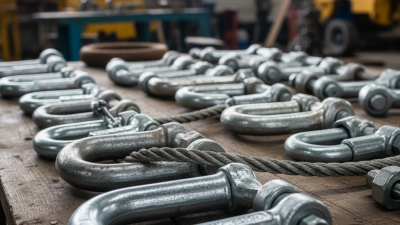
Bolt type shackles are essential components in rigging and lifting applications. Made from high-strength materials, they are designed to securely connect different components. These shackles are widely used in construction, marine, and industrial sectors. Their versatility makes them a popular choice for professionals and enthusiasts alike. Proper use of shackle hardware ensures reliability and safety during operations.
When selecting a bolt type shackle, consider load ratings and material quality. Common materials include stainless steel and carbon steel. Choose a shackle with a working load limit that exceeds your application needs. Regular inspections are vital to ensure integrity. Look for signs of wear, corrosion, or deformation before each use.
Tips: Always match the shackle size to your equipment. Oversized shackles may cause excessive play, while undersized ones can lead to failure. Properly secure the pin to prevent it from loosening during operations. When in doubt, consult with experts to make informed decisions. Remember, safety is paramount in all lifting and rigging tasks. Continuous learning and experience are key to enhancing your skills in this area.
Top 10 Bolt Type Shackles for Global Buyers in 2026
| Shackle Type |
Material |
Working Load Limit (WLL) |
Weight |
Applications |
| Standard Bolt Shackle |
Steel |
2,000 kg |
1.5 kg |
General rigging, lifting |
| Heavy Duty Bolt Shackle |
Alloy Steel |
5,000 kg |
3.0 kg |
Construction, hoisting |
| Galvanized Bolt Shackle |
Steel (Galvanized) |
3,200 kg |
2.2 kg |
Marine applications, outdoor lifting |
| Safety Bolt Shackle |
Stainless Steel |
1,500 kg |
1.0 kg |
Safety applications, rigging |
| Inflatable Bolt Shackle |
Polymer |
1,000 kg |
0.5 kg |
Light lifting, emergency use |
| Metric Bolt Shackle |
Carbon Steel |
4,000 kg |
2.5 kg |
Industrial use, lifting |
| Wide Body Bolt Shackle |
Forged Steel |
6,000 kg |
4.0 kg |
Heavy-duty applications, towing |
| Reversed Bolt Shackle |
Mild Steel |
3,500 kg |
2.0 kg |
Specialty lifting, rigging |
| Custom Bolt Shackle |
Varied |
Custom WLL |
Varied |
Custom applications |
Key Features to Consider When Selecting Bolt Type Shackles
When selecting bolt type shackles, consider key features like material, load capacity, and design. Materials such as stainless steel offer corrosion resistance. Steel shackles, while stronger, may require protective coatings for outdoor use.
Load capacity is critical. Always check both the working load limit and the breaking strength. Ensure the shackle can handle your specific application. This consideration protects both the equipment and the user.
Tips: Inspect shackles regularly. Look for signs of wear or damage. Don’t overlook proper maintenance; it extends the life of your shackles.
The design can influence usability. Look for features like safety pins or locking mechanisms. These enhance reliability and prevent accidental release. Always think about how you will use the shackle in your setup.
Top 10 Bolt Type Shackles of 2026: Brand and Product Reviews
In the field of rigging and lifting, bolt type shackles play a vital role. According to the International Rigging and Lifting Equipment Association (IRLEA), the demand for robust and reliable shackles is growing. In 2026, it is projected that the global market for shackles will reach approximately $4.5 billion. Bolt type shackles are favored for their strength and safety features, making them essential in various industries.
Product reviews suggest that durability and ease of use are critical factors when choosing shackles. Many users emphasize the importance of corrosion resistance. A report by the Global Economic Forecasts indicates that 70% of equipment failures in marine applications stem from corrosion issues. The market is evolving, with innovations focusing on lightweight materials that maintain strength. Yet, some newer products face scrutiny regarding their load-bearing capacities.
While bolt type shackles are widely regarded, shortcomings exist. Product recalls in the past have raised concerns about quality control. Monitoring manufacturing processes is crucial to avoid potential failures. Moreover, user experiences highlight the learning curve involved in selecting the right shackle for specific applications. Many are seeking guidance to ensure they make informed choices. As the market grows, consumers should remain vigilant in their evaluations.
Comparative Analysis of Materials Used in Bolt Type Shackles
When evaluating bolt type shackles, the material used plays a crucial role in determining performance and durability. Commonly, manufacturers utilize materials such as carbon steel, stainless steel, and alloy steel. Carbon steel offers high strength but is prone to rust without proper coating. Stainless steel, while resistant to corrosion, may not provide the same tensile strength as some carbon alternatives. Alloy steel is often favored for heavy loads due to its enhanced strength properties.
Understanding the specifics of material availability can be complex. Each material has unique advantages and disadvantages. Carbon steel offers cost-effectiveness but raises concerns about longevity in harsh environments. Stainless steel is reliable for outdoor applications, yet its price can be a barrier for bulk orders. Alloy steel is an advanced option that offers both resilience and resistance, yet it can be heavy and affect weight limits significantly.
Taking a practical approach to shackles involves weighing these factors carefully. Buyers should consider where the shackles will be used. The environment impacts material selection. Will they face saltwater exposure? Or will they be in rugged terrain? These details shape the potential effectiveness of bolt type shackles. It is essential for buyers to gather firsthand experiences and expert opinions to make informed decisions in 2026.
Future Trends in Bolt Type Shackle Design and Manufacturing
The bolt type shackle market is evolving. As we look toward 2026, trends in design and manufacturing are shifting significantly. Engineers are focusing on maximizing strength while minimizing weight. New materials are being explored. These aim to enhance durability without compromising performance.
Customization is becoming essential. Buyers want shackles that fit specific needs. Modular designs are surfacing, allowing for interchangeable parts. This can reduce costs and inventory requirements. Production techniques are also advancing. Additive manufacturing is making it easier to create complex shapes. This could lead to innovative designs that traditional methods can't achieve.
Tips: When choosing a shackle, consider the environment it will be used in. Corrosion resistance is crucial for marine applications. Always check load ratings. A shackle that is over or under-rated can lead to failure.
There’s an ongoing challenge with quality control. Some manufacturers may cut corners to save costs. Buyers should research suppliers thoroughly. Communication is key. Asking questions and requesting certifications can help ensure safety and reliability.
Top 10 Bolt Type Shackles for Global Buyers in 2026
This chart illustrates the anticipated market growth and demand for various types of bolt type shackles in 2026, highlighting their expected trends in design and manufacturing.