Essential Tips for Choosing the Right Bus Drop Cable Support Grip?
Choosing the right Bus Drop Cable Support Grip is crucial for ensuring a safe and reliable connection in your electrical systems. With numerous options available, it’s vital to understand the key aspects of these products. A suitable grip can prevent wear and tear on cables, thus extending their lifespan.
When selecting a Bus Drop Cable Support Grip, consider the size, material, and environmental conditions. These factors significantly impact performance and durability. For instance, grips made from high-quality materials offer better resistance to environmental stresses. Failing to choose the correct grip can lead to costly repairs and safety hazards.
Expert advice suggests evaluating manufacturer ratings and certifications. Trustworthy manufacturers often provide detailed specifications. It’s essential to do your research and not rush the decision. Think critically about your specific needs and conditions. This reflection can help avoid regrets later on.
Understanding Bus Drop Cable Support Grips: An Overview
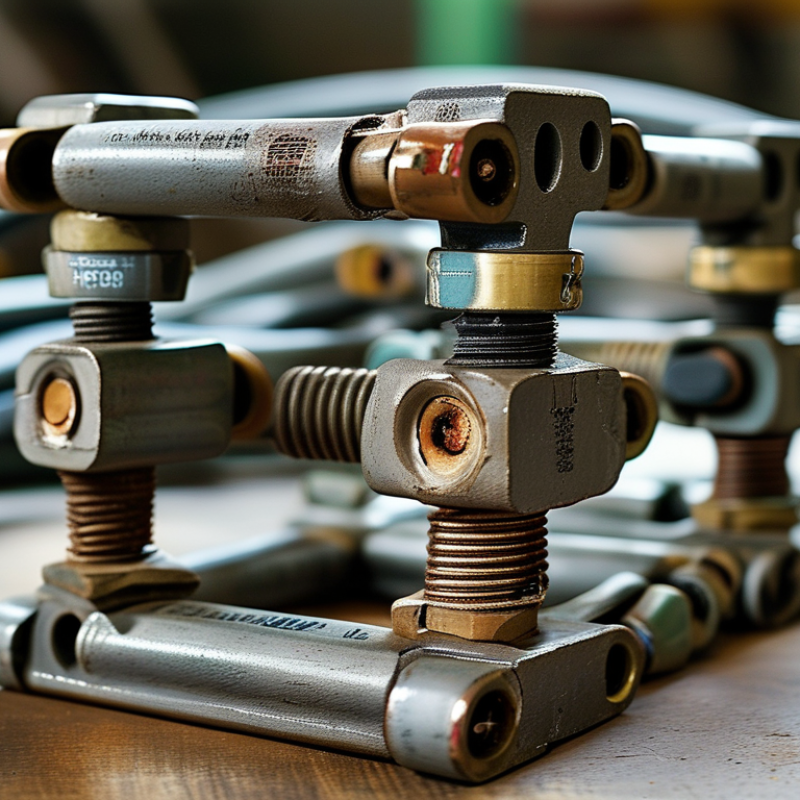
Bus drop cable support grips serve a critical function in cable management. These grips help secure the cables to structures, preventing sagging and potential damage. They ensure that the cables remain in place, even under harsh weather conditions or high tension. Without proper support, cables can degrade or lead to outages.
Choosing the right grip requires understanding cable specifications and environmental factors. For example, the material and weight capacity must align with the cables involved. Many may overlook these factors during selection. This can result in inadequate support. Over time, this oversight can lead to significant issues, such as cable failure.
A proper fitting grip should provide tension without compromising cable integrity. It should also be easy to install. Some grips offer adjustable features, which can be beneficial. However, it's essential to verify the specifications before making a choice. Inadequate research can lead to installation difficulties or product failure, which is frustrating. Attention to detail is key when selecting the right support grips for bus drop cables.
Key Specifications to Consider When Choosing Support Grips
Choosing the right bus drop cable support grip involves several key specifications. Start by evaluating the grip's mechanical strength. This determination is essential for securing heavy cables. Select a grip that can withstand the tension and weight of your specific installation.
Material is another crucial aspect. Many grips use steel or nylon. Steel provides durability but can be susceptible to rust in wet environments. On the other hand, nylon is lightweight and resistant to corrosion. Consider where the grip will be installed and the exposure it will face.
Lastly, assess the installation method. Some grips require specific tools for proper fitting, while others offer a more straightforward, tool-free installation process. Depending on your team's skill level, this factor can save time and resources. Reflect on your project's needs to make an informed decision.
Material Selection for Durability and Performance in Cable Grips
When selecting cable support grips for bus drop cables, the choice of material is crucial. It determines durability and performance. Opt for materials that can withstand harsh weather and environmental stress. Steel and high-density polyethylene are common choices due to their strength and resistance to corrosion. However, not all grips perform equally. Some might fail under extreme conditions.
Tips on choosing the right material include evaluating the specific applications of your cables. Are they exposed to moisture, extreme heat, or physical stress? Such environments demand stronger grips. Always check the manufacturer's specifications to ensure compatibility with your setup.
A common error is overlooking the importance of proper installation. Even the best materials can fail if not fitted correctly. Misalignment or improper tension can lead to early wear. Regular inspections and maintenance can identify early signs of damage. This proactive approach can ultimately save costs. Choose wisely, but always double-check your installation.
Industry Standards and Compliance for Bus Drop Cable Accessories
When selecting bus drop cable support grips, it is critical to understand industry standards and compliance. These standards ensure safety and reliability in electrical work. Grips must meet regulations set by governing bodies, which vary by region. Failure to comply can lead to dangerous situations, so always consult local guidelines.
Many overlook the importance of material durability. Note that materials like aluminum and stainless steel can significantly affect grip performance. Consider environmental conditions as well. High humidity or extreme temperatures can degrade certain materials, impacting their lifespan. Seek products that specify resistance to environmental stressors.
Choosing the right grip isn't just about meeting specifications. Evaluate how it fits into your overall installation plan. Consider ease of use during installation. Improper usage can compromise support. Read user reviews and consult experts when in doubt. Sometimes, the most affordable option may lack necessary features or quality, leading to longer-term issues. Making informed choices today can prevent costly repairs later.
Installation Best Practices for Optimal Effectiveness of Cable Grips
When installing bus drop cable support grips, attention to detail is crucial. Proper installation ensures optimal effectiveness and longevity of the cable system. According to recent industry reports, improperly installed grips can lead to a 30% increase in cable stress, which may result in premature failure. Ensuring a secure fit helps mitigate these risks and supports the overall integrity of the installation.
To achieve the best results, consider the material of the cable support grips. Selecting the right grip material can enhance performance. For instance, PVC grips may offer flexibility but can degrade faster under UV exposure. On the other hand, nylon grips are more durable in harsh environments. Evaluate your installation conditions carefully.
Tip: Always check the manufacturer's guidelines for tension limits. If the grip is too tight or too loose, it could cause damage. Regular maintenance checks can also prevent issues. Look out for signs of wear and tear. Addressing these early on can save significant costs down the line. Make informed choices to improve the reliability of your cable systems.