How to Choose the Right Bow Shackle for Your Needs?
Choosing the right bow shackle is crucial for safety and efficiency in any rigging operation. According to expert John Anderson, a leading figure in the rigging industry, “Selecting the correct bow shackle can make or break your project's success.” His insight highlights the importance of understanding your specific needs.
Bow shackles come in various sizes, materials, and load capacities. A proper fit ensures the security of your load, whether in marine applications or construction sites. However, many users overlook the manufacturer's specifications, risking failure. Each bow shackle should be chosen with care, considering both the task at hand and the environment it will be used in.
The selection process may seem straightforward, but it poses challenges. For instance, some may favor cheaper options without assessing their reliability. This can lead to accidents and costly damage. Understanding your bow shackle needs requires reflection on your experience and knowledge in rigging. Making the right choice is not just about function—it's about safety.
Understanding Bow Shackles: Basic Definitions and Types
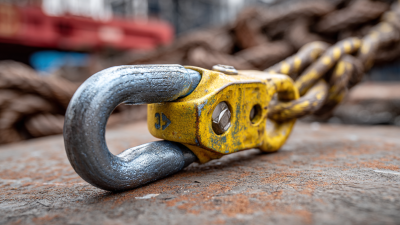
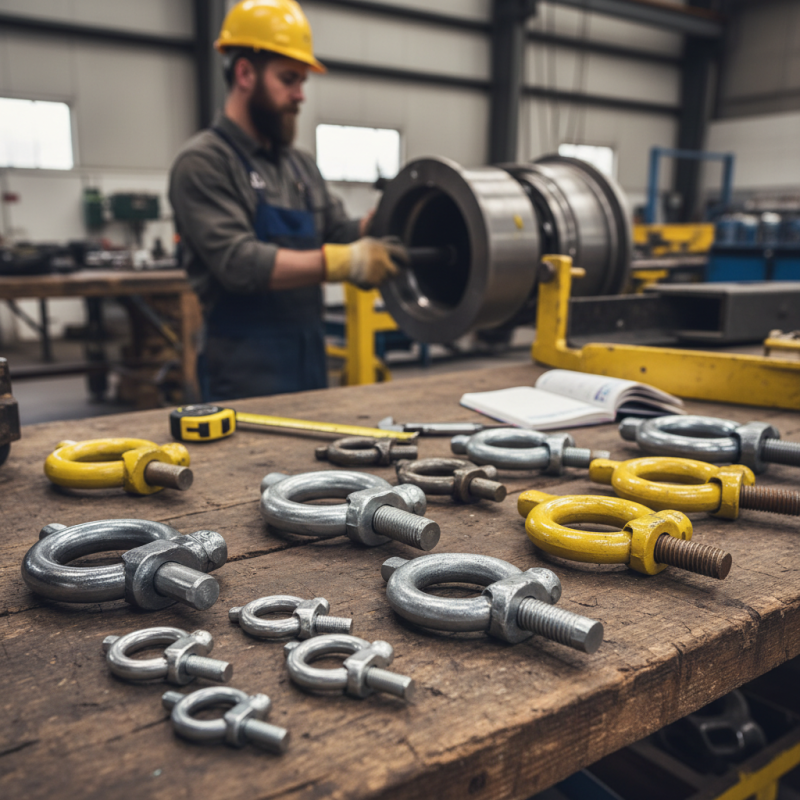
Bow shackles play a vital role in various lifting and towing applications. Understanding the different types of bow shackles is crucial for selecting the right one for your needs. The primary types include alloy steel, stainless steel, and plastic shackles. Alloy steel shackles are robust and ideal for heavy loads. They often have a working load limit (WLL) of up to 10 tons. Stainless steel shackles resist corrosion, making them suitable for marine environments. Plastic varieties are lightweight and better for temporary setups.
Reports indicate that a significant percentage of lifting failures stem from the incorrect use of shackles. Over 50% of rigging accidents reportedly involve substandard hardware. The gap in knowledge about bow shackles often leads to improper selection. For instance, using a shackle rated for 1 ton on a 3-ton load can be disastrous. Details like pin diameter and throat width also matter. A shackle's size must correspond to the application to ensure safety.
It is common for users to underestimate the importance of regular inspections. Shackles can wear down over time, leading to potentially hazardous situations. Regular checks and replacements could prevent accidents. Understanding these variables enables more informed, safer selections. Remember that safety must always come first.
Key Factors to Consider When Choosing a Bow Shackle
Choosing the right bow shackle is crucial for safety and efficiency. The first key factor is the material. Bow shackles come in various materials like stainless steel and aluminum.
Stainless steel offers corrosion resistance, ideal for marine use. Aluminum is lightweight but may not hold up under extreme conditions.
Next, consider the size and working load limit. Choosing a shackle too small may lead to failure. Too large might not fit your equipment correctly. Measure carefully before purchasing. Remember, each shackle has its load rating, and you should always stay within this limit.
Tips: When in doubt about the size, opt for a slightly larger shackle. It's better to have a bit more capacity than needed. Also, inspect shackles regularly for wear. A small crack can lead to big problems later. If you notice any damage, replace the shackle immediately.
Material Options for Bow Shackles: Weighing the Pros and Cons
When choosing a bow shackle, material plays a critical role. The two primary options are steel and aluminum. Steel is known for its strength and durability. It can handle heavy loads, making it suitable for industrial applications. A report from the American Society of Mechanical Engineers indicates that high-strength steel can support loads up to 40% higher than standard grades.
Aluminum, on the other hand, is lightweight and resistant to corrosion. This makes it ideal for marine environments. The corrosion resistance is essential for shackles used in saltwater. However, aluminum's strength is lower, with maximum loads about 50% less than those of steel shackles. This limitation raises concerns when considering safety margins.
While steel seems reliable, it can rust if not properly maintained. Regular inspection is necessary to avoid failure during critical operations. Aluminum shackles require careful handling to avoid dents and bends which can affect performance. Balancing weight, strength, and resistance to environmental factors is challenging. Choosing the right material involves weighing these trade-offs against specific needs.
Load Capacity and Ratings: Ensuring Safety in Your Selection
When choosing a bow shackle, load capacity is paramount. It isn’t just about the size; it's about the strength. A shackle’s load rating tells you its maximum working limit. Always check these ratings before making a choice. For instance, a shackle rated at 10 tons is not suitable for a load of 15 tons. Ignoring this can lead to catastrophic failures.
Understand that different materials have distinct strength characteristics. Steel is strong but heavy. Aluminum is lighter but often has a lower capacity. Each material affects both performance and safety. Avoid shortcuts when assessing these factors. Sometimes, users think they can push limits. This thinking is dangerous and can lead to accidents.
Lastly, double-check your tools. A shackle should fit well with your rigging setup. Misalignment can decrease its effectiveness. Keep in mind that load ratings may vary with conditions. Environmental factors can weaken materials. It’s crucial to reevaluate your choices regularly. Safety should never be an afterthought. Always prioritize reliability in your selection process.
Load Capacity Ratings of Bow Shackles
Applications of Bow Shackles: Matching Your Needs to the Right Type
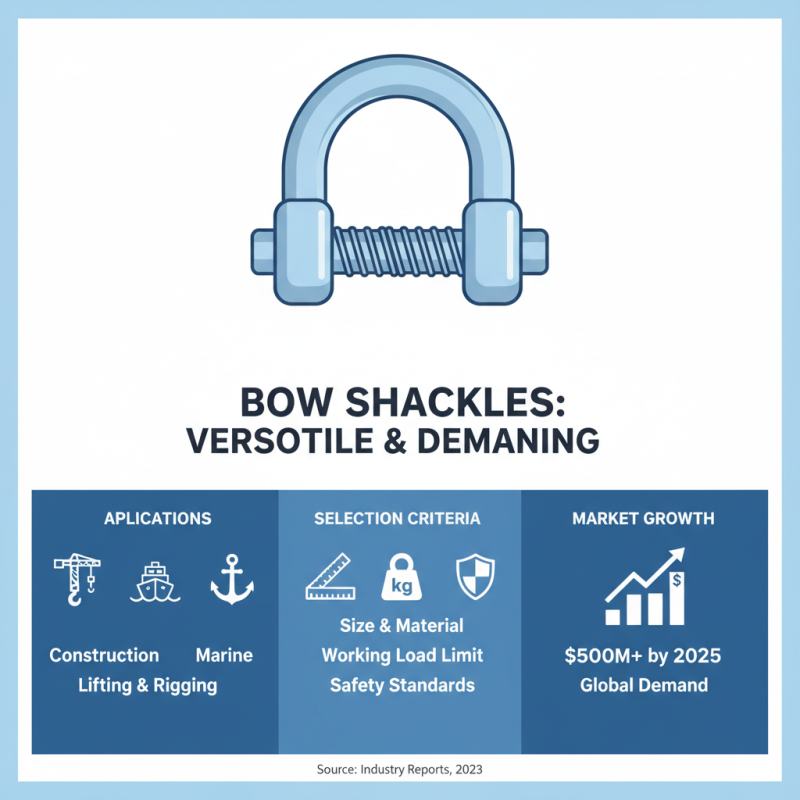
Bow shackles are versatile tools used in various applications, from construction to marine environments. Understanding your specific needs is crucial when selecting the right type. According to industry reports, the global demand for bow shackles is expected to reach over $500 million by 2025. This growth highlights the importance of choosing the correct product for safety and efficiency.
Construction workers often rely on bow shackles for lifting heavy loads. For example, a typical steel bow shackle can support loads ranging from 1 ton to over 40 tons. However, the right choice varies based on conditions. Smooth surfaces and heavy wear can lead to quicker wear and tear. Choosing the wrong size can result in failure, compromising both safety and productivity.
In marine applications, bow shackles must resist saltwater corrosion. Stainless steel options are preferred for their durability, yet they often come at a higher cost. A recent survey indicated that 30% of users reported issues due to corrosion when selecting non-stainless models. This indicates a need for critical evaluation when making a selection, as overlooking material specifications can have serious consequences.