How to Choose the Best Wire Rope Eye Hook for Your Needs?
Choosing the right Wire Rope Eye Hook is essential for safety and efficiency in lifting applications. This critical component often faces significant loads, so understanding its specifications is vital. Many users overlook the different types and sizes available. This choice impacts overall performance and reliability.
When assessing Wire Rope Eye Hooks, consider factors such as load capacity, material quality, and compatibility with your rigging equipment. Various designs exist, from lightweight models to heavy-duty variants. Each serves unique purposes in diverse environments. Users must also be aware of their specific needs and operational conditions.
Reflecting on these aspects may reveal areas for improvement in decision-making. Are you using the correct hook? Have you consulted with industry experts? Seeking guidance can enhance your understanding and lead to safer, more effective choices.
Understanding Wire Rope Eye Hooks: Types and Applications
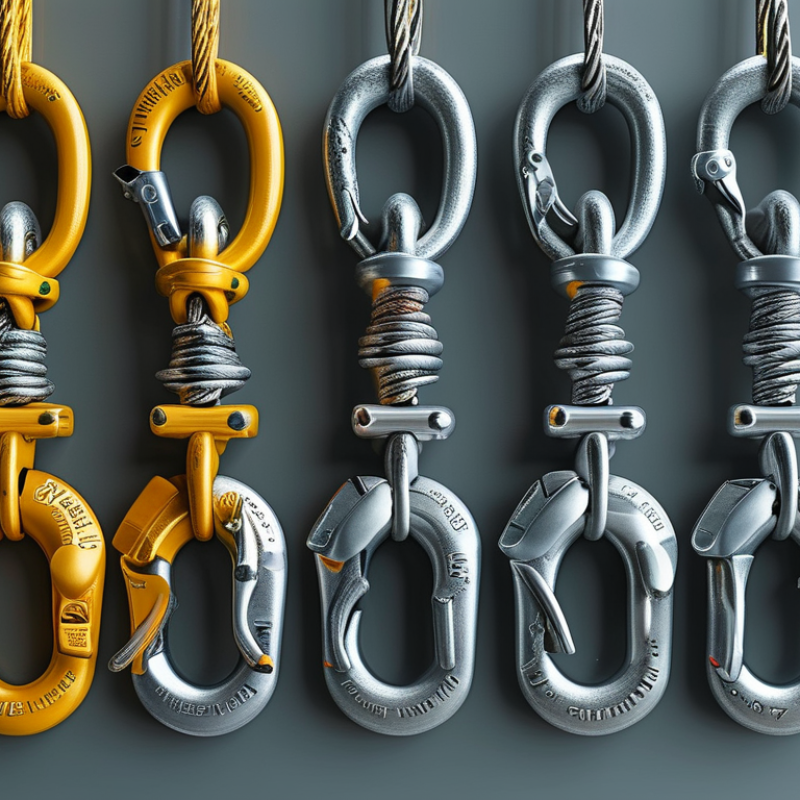
Wire rope eye hooks are essential components in various applications, from construction to marine activities. Understanding the different types of eye hooks can help you select the right one for your project. Common types include closed eye hooks and open eye hooks. Closed eye hooks provide a secure connection and are often used in rigging. Open eye hooks offer flexibility but require careful handling to prevent unintentional disconnection.
When choosing a wire rope eye hook, consider the load capacity. Each hook comes with a specific weight tolerance. Exceeding this limit can lead to failure. Another factor is the environment. Areas exposed to moisture may require hooks made from corrosion-resistant materials. It's crucial to match the eye hook to your specific usage conditions.
Tip: Always inspect your hooks regularly. Look for signs of wear or deformation. A small crack can lead to larger issues. Keeping a maintenance log can help track their condition over time.
Consider the size of the hook in relation to the wire rope. A mismatch can affect performance. Invest time in reviewing your options. This can save you from costly mistakes later. Proper knowledge goes a long way. Ignorance in detail can lead to failures in critical moments.
Key Factors to Consider When Choosing a Wire Rope Eye Hook
Choosing the right wire rope eye hook can greatly impact your project’s success. Several factors play a significant role in this decision. First, you must consider the load capacity. This should match or exceed the weight you intend to lift. Failing to do so may lead to accidents.
Material is another crucial aspect.
Steel hooks are stronger, but they can rust. Stainless steel offers better corrosion resistance. If your environment is wet or corrosive, opt for stainless steel to enhance reliability.
Tips: Always check the eye hook’s rating. Safety ratings indicate its maximum load limits. Regularly inspect the hook for wear and tear, especially after heavy use.
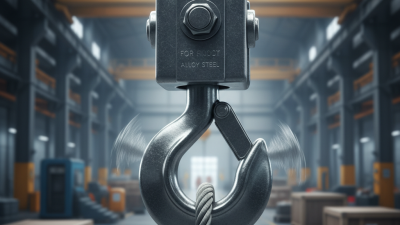
Also, the hook design matters. A wide opening allows for versatile connections. A straight design can simplify alignment. However, ensure it fits well with your wire rope.
Don’t overlook your specific application. Different tasks may require specialized hooks. Evaluate your needs thoroughly to avoid costly mistakes. A wrong choice could lead to unexpected failures. Always prioritize safety and efficiency in every selection.
Material Options: Strength, Durability, and Weight Considerations
When selecting a wire rope eye hook, the material is a crucial factor. Steel and aluminum are the most common options. Steel provides superior strength and is ideal for heavy-duty applications. However, it can be heavy and prone to rust without proper coatings. Aluminum, on the other hand, is lighter and resistant to corrosion. It is great for applications where weight is a concern, but it may not handle heavy loads as effectively.
Tips: Always consider the environment where the hook will be used. For marine applications, choose materials that resist saltwater corrosion. For construction tasks, strength should be a priority. Test the hook's limits before use.
Durability is another key factor. Stainless steel options exist and offer excellent longevity in harsh environments. Check ratings and specifications to ensure the hook can withstand specific conditions. While lighter materials reduce labor fatigue, they risk breaking under excessive weight. Balance is essential.
When selecting a wire rope eye hook, understand your needs first. It is tempting to choose based on looks, but this can lead to unexpected failures. Always prioritize function over appearance. These choices can save time and reduce accidents.
Material Strength Comparison for Wire Rope Eye Hooks
This bar chart compares the strength of different materials commonly used for wire rope eye hooks. Steel and stainless steel provide the highest strength, making them suitable for heavy-duty applications, while aluminum and plastic offer lower strengths, possibly better suited for lighter or specialized uses.
Load Capacity and Safety Standards for Wire Rope Eye Hooks
When selecting a wire rope eye hook, understanding load capacity and safety standards is crucial. Different hooks have varying capacities that dictate their application. For example, a hook rated for 2 tons cannot safely lift 3 tons. Misjudging this can lead to failure and accidents. Always check the specifications before use.
Safety standards for wire rope eye hooks, such as those established by recognized organizations, provide guidelines to ensure safe usage. These standards aid in determining the right hook for your task. They consider factors like material quality and design. Hooks that meet these standards provide reliability, reducing risks associated with lifting heavy loads.
As you examine your choices, consider your needs. Reflect on whether the hook meets all the required standards. Are you compromising on safety for a lower cost? This can backfire. Prioritize hooks that not only meet but exceed the minimum standards for peace of mind in your operations.
How to Choose the Best Wire Rope Eye Hook for Your Needs? - Load Capacity and Safety Standards for Wire Rope Eye Hooks
| Eye Hook Type |
Load Capacity (tons) |
Material |
Safety Standard |
Weight (lbs) |
| Standard Eye Hook |
3 |
Steel |
ISO 2006 |
2.5 |
| Heavy Duty Eye Hook |
5 |
Alloy Steel |
ASTM A951 |
3.5 |
| Swivel Eye Hook |
2 |
Stainless Steel |
ASME B30.9 |
1.8 |
| Clevis Eye Hook |
4 |
Carbon Steel |
ANSI B30.10 |
2.2 |
| Plastic Coated Eye Hook |
1.5 |
Aluminum |
None |
1.0 |
Maintenance Tips for Prolonging the Life of Eye Hooks
Maintaining wire rope eye hooks is crucial for safety and performance. Regular inspections can help detect wear and tear. According to industry reports, 70% of hook failures are due to inadequate maintenance. It's wise to establish a routine check-up on your equipment. This ensures that potential issues can be identified before they lead to accidents.
Cleaning your eye hooks is essential. Dust, grease, and salt can corrode the metal over time. A simple wash with soap and water will suffice. After cleaning, consider applying a light lubricant. This step can help reduce friction. However, avoid using excessive lubricant, as it may attract more dirt.
It's also important to store hooks properly. Improper storage can lead to deformation. Ideally, hooks should be kept in a dry, cool place. A designated storage area minimizes the risk of damage. Periodically reviewing your inventory can reveal hooks that have been overlooked. Proper care extends the life of these critical components, ensuring they remain reliable when needed.