Top 10 Tips for Choosing the Right Wire Rope Sling?
When selecting a Wire Rope Sling, the choice can be overwhelming. As industry expert John Smith states, "The right sling is crucial for safety and efficiency." This emphasis on safety cannot be overstated. Choosing the wrong type can lead to accidents, causing injuries or damaging equipment.
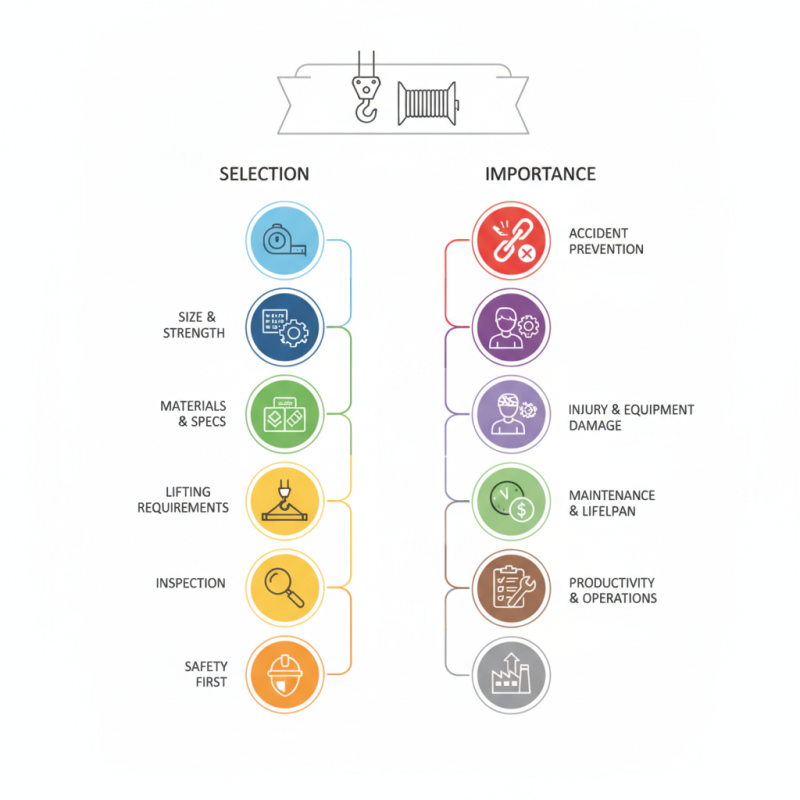
Wire Rope Slings come in various sizes, strengths, and materials. Each has its own specifications and applications. Understanding these details is vital. A sling that is too weak may fail under pressure. Alternatively, using an oversized sling can add unnecessary weight and cost to a project. It's essential to adapt the selection process to the specific lifting requirements.
Many operators overlook the importance of inspecting Wire Rope Slings before use. Regular checks can identify wear and tear, extending the sling's life. It's not just about picking a sling; it’s about ensuring that it is suitable for the job at hand. Being mindful of these factors can make a significant difference in overall safety and productivity in any lifting operation.
Understanding Wire Rope Sling Types and Their Applications
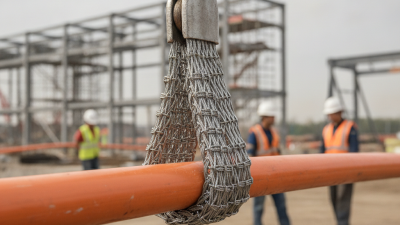
When selecting a wire rope sling, understanding its types and applications is essential. Wire rope slings come in various configurations, such as single leg, double leg, and eye-and-eye, each designed for specific lifting tasks. According to industry reports, the global wire rope market is projected to grow significantly, indicating increasing demand for these essential tools.
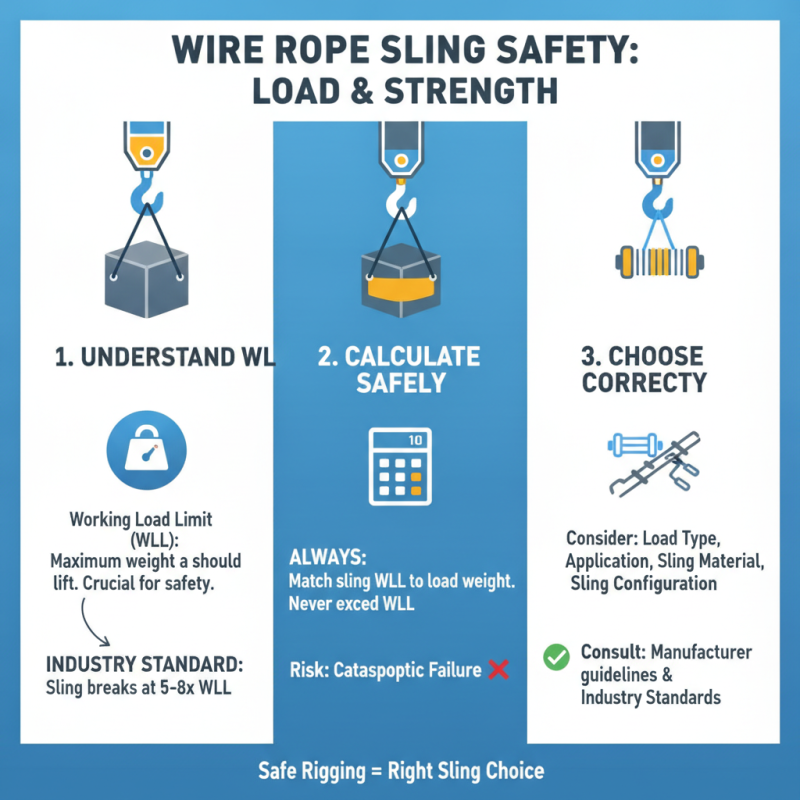
A survey indicated that 45% of accidents in lifting operations were due to improper sling use. This highlights the importance of using the right type for the job. For example, a multi-leg sling can distribute loads more evenly, which is critical in preventing accidents. Each sling type has a unique working load limit (WLL), and exceeding this limit can lead to catastrophic failure.
Wire rope slings are also susceptible to wear and environmental factors. Metal fatigue and corrosion can greatly reduce their lifespan. Regular inspection is necessary, and flaw detection must be performed to ensure safety. Implementing training for operators may also reduce errors. By understanding these factors, users can make informed decisions that enhance safety and reliability in lifting operations.
Top 10 Tips for Choosing the Right Wire Rope Sling
| Tip |
Description |
Type of Sling |
Application |
| 1. Determine Load Requirements |
Understand the maximum load the sling needs to lift. |
All Types |
General Lifting |
| 2. Choose the Right Material |
Select material that suits the environment and tasks. |
Steel, Stainless Steel |
Outdoor, Marine |
| 3. Inspect for Damage |
Regularly check for signs of wear or damage. |
All Types |
Safety Compliance |
| 4. Understand Sling Configurations |
Know different sling configurations for optimal safety. |
Single Leg, Multi Leg |
Lifting at Angles |
| 5. Consider Sling Length |
Choose length based on lifting needs and conditions. |
All Types |
Variable Loads |
| 6. Evaluate Environmental Conditions |
Consider exposure to elements like heat and chemicals. |
Specialty Slings |
Harsh Environments |
| 7. Look for Proper Certification |
Ensure slings meet relevant safety standards. |
All Types |
Compliance Verification |
| 8. Use Safe Load Limits |
Never exceed the designed load limits of the sling. |
All Types |
Safety Protocols |
| 9. Consider the Critical Angle |
Be mindful of the angle which affects the lift strength. |
Multi Leg Slings |
Lifting Applications |
| 10. Consult with Experts |
When in doubt, seek advice from professionals. |
All Types |
General Safety |
Evaluating Load Capacity and Strength Requirements for Safe Use
Choosing the right wire rope sling is crucial for ensuring safety in rigging applications. Evaluating load capacity and strength requirements is a primary consideration. According to industry standards, a sling can typically handle 5 to 8 times its working load limit (WLL). This means familiarity with the WLL is vital to prevent catastrophic failures. Each sling must match the specific load type and application.
When assessing load capacity, inspect the wire rope's diameter and material. Steel wire ropes have a higher strength-to-weight ratio compared to synthetic options. Think about the working conditions too. If the sling will face harsh weather or abrasive surfaces, consider protective covers to enhance durability. Regular inspections can identify wear, which is critical.
To ensure proper usage, always refer to charts outlining capacity ratings. This information must be easy to access and understand. Remember, overloading is a common issue that leads to accidents. It serves as a reminder of how careful planning and evaluation can protect both workers and equipment. Also, when in doubt, consult with a rigging expert for tailored advice.
Assessing Sling Construction Materials and Durability Factors
When choosing a wire rope sling, the construction materials and durability factors are pivotal. Steel wire ropes are common due to their high tensile strength and ability to withstand heavy loads. According to industry reports, wire ropes made from advanced steel alloys can support loads exceeding 100 tons, depending on the diameter and construction type. While steel offers robust protection against wear, it can be susceptible to corrosion if not properly maintained.
Synthetic slings, like nylon or polyester, can also be effective. They provide flexibility and lightweight properties, making them easier to handle. However, their durability under extreme conditions raises concerns. A study highlighted that synthetic slings lose up to 20% of their strength when exposed to UV radiation. Users often overlook this, assuming that synthetic materials will always perform well.
Understanding the environment in which the sling will operate is crucial. Factors like temperature, humidity, and exposure to chemicals can significantly affect durability. Choosing the wrong material could lead to premature failures. Regular inspections can help identify wear and ensure the sling remains fit for use. Making the right choice requires careful consideration of these factors to ensure safety and reliability.
Considering Environmental Conditions Impacting Wire Rope Slings
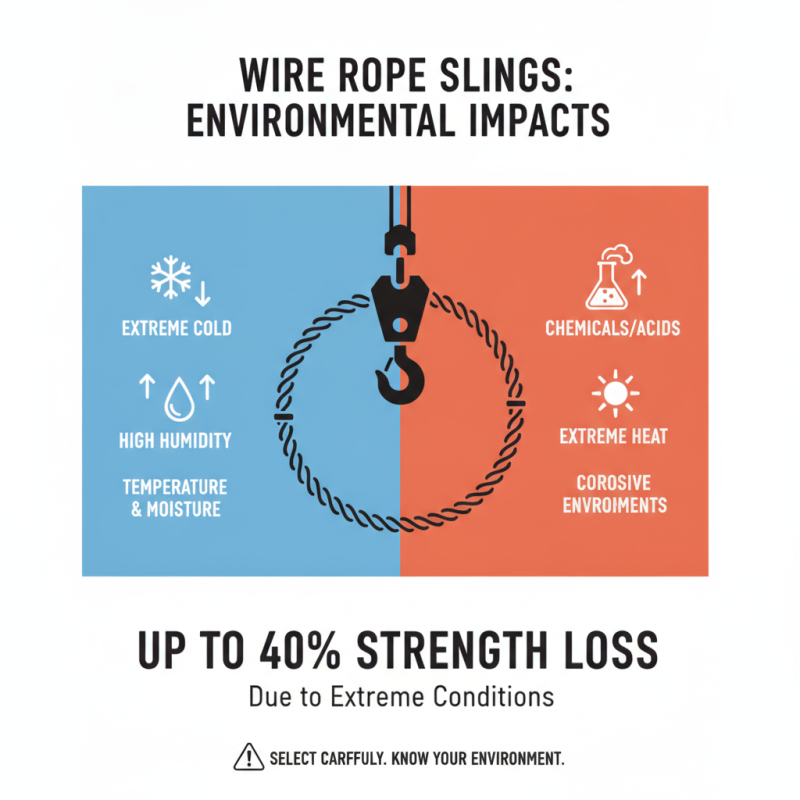
When selecting wire rope slings, environmental conditions should be a major consideration. Factors such as temperature, humidity, and exposure to chemicals can significantly impact the performance and lifespan of wire rope slings. According to industry reports, slings can lose up to 40% of their strength when they are exposed to extreme temperatures or corrosive environments. Therefore, it is crucial for users to understand their operating environment thoroughly.
High humidity levels can lead to corrosion. Corrosion weakens the steel strands, increasing the risk of failure. Regular inspections and maintenance are vital for identifying early signs of wear. A study conducted by the Wire Rope Association found that slings in humid environments need to be replaced more frequently than those in drier areas, impacting operational costs.
Another critical aspect is UV exposure. Prolonged exposure to sunlight can degrade synthetic components, if present, in the wire rope sling. The American Society of Mechanical Engineers (ASME) suggests that slings used outdoors be shielded from sunlight whenever possible. Even minor environmental factors can lead to significant performance issues, necessitating careful consideration during the selection process.
Identifying Proper Sling Maintenance and Inspection Procedures
Proper maintenance and inspection of wire rope slings are crucial for safety and longevity. Regular checks will identify potential issues. Inspecting slings for fraying, kinking, and any signs of wear is essential. If a sling shows multiple broken wires, it’s time for replacement. Many operators overlook this step; ignoring wear can lead to accidents.
Tips for choosing the right sling include selecting the correct material based on the load type. Consider the environment where the sling will be used. Remember, wet or corrosive settings require special materials. Always ensure that the sling is rated for the intended load. A common mistake is using a sling beyond its capacity, which can lead to failure.
Routine maintenance should include cleaning and lubrication. Dirt and grime can weaken slings over time. It’s important to store slings properly when not in use. Improper storage may lead to corrosion or deformation. Regular training for staff on sling inspection can greatly enhance safety protocols. Ignoring this aspect can create serious risks in the workplace.