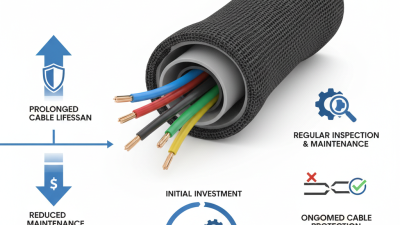
How to Choose the Best Cable Pulling Net Sleeve for Your Needs?
Choosing the right Cable Pulling Net Sleeve can greatly impact your project efficiency. With various options on the market, finding the best fit for your specific needs can be challenging. A suitable sleeve offers protection and enhances cable longevity during installation.
When selecting a Cable Pulling Net Sleeve, consider the material and design. A durable sleeve can handle tension and abrasion. Many users overlook the importance of size, which can lead to complications down the line. Reflecting on past experiences can guide better choices.
Furthermore, consider the sleeve’s compatibility with the cables you intend to use. Some sleeves work better with certain cable types. Ignoring manufacturer recommendations might lead to issues. Your choice should reflect a balance between functionality and cost. Prioritizing quality often yields better results in the long term.
Understanding Cable Pulling Net Sleeves and Their Functionality
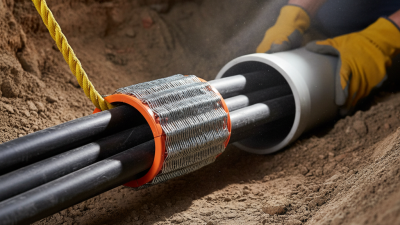
Cable pulling net sleeves are essential for ensuring efficient and safe installation of cables. These sleeves protect cables from damage during the pulling process. According to a report by the International Cable and Harness Association, improper cable handling can lead to a 30% increase in installation costs and time. Understanding the functionality of these sleeves helps in selecting the right one for your project.
The design of cable pulling net sleeves allows for smooth cable movement. They are made from durable materials that withstand wear and tear. An industry study indicated that using high-quality net sleeves can reduce cable snagging by up to 25%. This efficiency not only saves time but also minimizes the risk of cable damage, which could lead to costly downtime.
When choosing a cable pulling net sleeve, consider factors like tensile strength and load capacity. Many users overlook the impact of a sleeve's design on pulling efficiency. An inadequate sleeve can lead to frustration and potential project delays. This highlights the importance of selecting the right product based on project requirements.
Each application may have unique challenges that demand critical assessment.
Key Factors to Consider When Selecting Cable Pulling Net Sleeves
When choosing a cable pulling net sleeve, several key factors play a crucial role in ensuring optimal performance.
Material quality is paramount. High-strength fabrics can withstand tension better, reducing the risk of tearing during the pulling process.
According to industry reports, sleeves made from synthetic materials like nylon and polyester show a 30% increase in durability compared to non-synthetic options.
This durability is essential in maintaining cable integrity, especially in demanding environments.
Sizing is another critical consideration. The right size ensures that the cable fits securely within the sleeve, minimizing movement and friction.
An ill-fitting sleeve can lead to insulation damage or even cable failure.
In a survey of industry practices, 45% of professionals reported using improperly sized sleeves, resulting in increased downtime and costs.
Conducting precise measurements before selection can prevent these issues.
Lastly, the sleeve's design features, such as reinforcement points and ease of use, contribute notably to functionality.
Some designs incorporate pull tabs or larger openings, which facilitate quick installation.
Users have noted that sleeves with such features save time and effort during cable installation.
Prioritizing not only performance but also user experience can improve overall workflow efficiency.
Material Options for Cable Pulling Net Sleeves: Pros and Cons
When selecting a cable pulling net sleeve, the material is crucial. Common materials include polyester, nylon, and polyethylene.
Polyester is popular due to its durability, as it withstands wear and tear effectively. However, it may be less flexible in extreme temperatures. Nylon offers better elasticity, making it suitable for varied environments; yet, it can absorb moisture, which might affect performance over time.
Polyethylene is lightweight and resistant to chemicals, making it great for outdoor use. However, its lower durability makes it less ideal for heavy-duty tasks. Each material has unique pros and cons. For instance, heavy-duty polyester might be your choice, yet it lacks flexibility. Considering where and how often you will use the sleeve is essential. You might find a highly durable option, but it may be overkill for light tasks. Reflecting on your specific needs can lead to better choices.
Sizing and Compatibility: Ensuring a Proper Fit for Your Needs
When selecting a cable pulling net sleeve, sizing and compatibility are crucial. A proper fit ensures efficiency and safety during operations. Measure the cables accurately. This includes their diameter and length. If the sleeve is too tight, it can cause wear and tear. If it’s too loose, it might not provide the necessary support.
Tips: Always check the manufacturer’s sizing guide. Compare your measurements with the recommended dimensions. Small discrepancies can affect performance. It’s vital to test the sleeve on a sample cable before making a purchase. This minimizes the risk of errors.
Consider the materials used. Some sleeves offer better flexibility while others provide superior durability. Choosing the right material depends on your specific application. Reflect on whether your environment demands resistance to abrasions or certain chemicals. This can influence the lifetime of your sleeve significantly.
Tips: Consult with professionals who have experience in cable installations. Their insights can guide you toward the best choice. Sometimes, the ideal sleeve may not be the most expensive one. It often aligns with the job requirements and your budget.
How to Choose the Best Cable Pulling Net Sleeve for Your Needs?
| Sleeve Type |
Cable Size (Diameter) |
Material |
Weight Capacity |
Compatibility |
| Standard Sleeve |
0.5 - 1 inch |
Nylon |
Up to 200 lbs |
Yes, for most standard cables |
| Heavy-Duty Sleeve |
0.75 - 1.5 inches |
Polyester |
Up to 400 lbs |
Compatible with large diameter cables |
| Lightweight Sleeve |
0.25 - 0.75 inches |
Polyethylene |
Up to 100 lbs |
Best for low-tension applications |
| Insulated Sleeve |
0.5 - 1 inch |
Rubber |
Up to 300 lbs |
Ideal for electrical cables |
| Flexible Sleeve |
0.5 - 1.25 inches |
Spandex Blend |
Up to 250 lbs |
Good for tight spaces |
Evaluating Cost vs. Quality in Cable Pulling Net Sleeve Choices
Choosing the right cable pulling net sleeve can significantly impact your project’s efficiency. Balancing cost and quality is essential. Cheaper options may save you money upfront but can lead to poor performance and frequent replacements. Higher quality sleeves often come at a premium but provide durability and reliability.
When evaluating options, consider your specific needs. Look for materials that withstand wear and tear. A sleeve that frays easily can compromise the cables being pulled. Always check for user reviews to gauge long-term performance. Investing in a well-rated sleeve can prevent headaches later.
Tips: Always compare prices across different suppliers. Sometimes, the best value lies not in the lowest cost but in the best quality for the price. A well-made sleeve can last years, while a cheap one may need constant replacement. Additionally, consider your usage rate. For infrequent tasks, a medium quality may suffice. But for daily use, invest in the best. Quality often pays off in the long run, despite the initial cost.