How to Choose the Best Wire Grip for Your Needs?
Choosing the right Wire Grip is crucial for safety and efficiency. According to the Occupational Safety and Health Administration (OSHA), improper use of wire grips can lead to serious accidents in the workplace. Over 100 injuries annually in the construction industry highlight the need for proper equipment selection.
Understanding different Wire Grip designs and their applications enhances safety. The National Safety Council emphasizes that using the right equipment reduces workplace incidents by 30%. Therefore, familiarity with product specifications is essential.
Selecting a Wire Grip involves assessing your specific needs. Not all grips are created equal; some may not suit particular conditions. It may be tempting to choose the cheapest option. However, this choice could compromise safety and efficiency. Aim for a balance between cost and quality.
Understanding the Different Types of Wire Grips Available
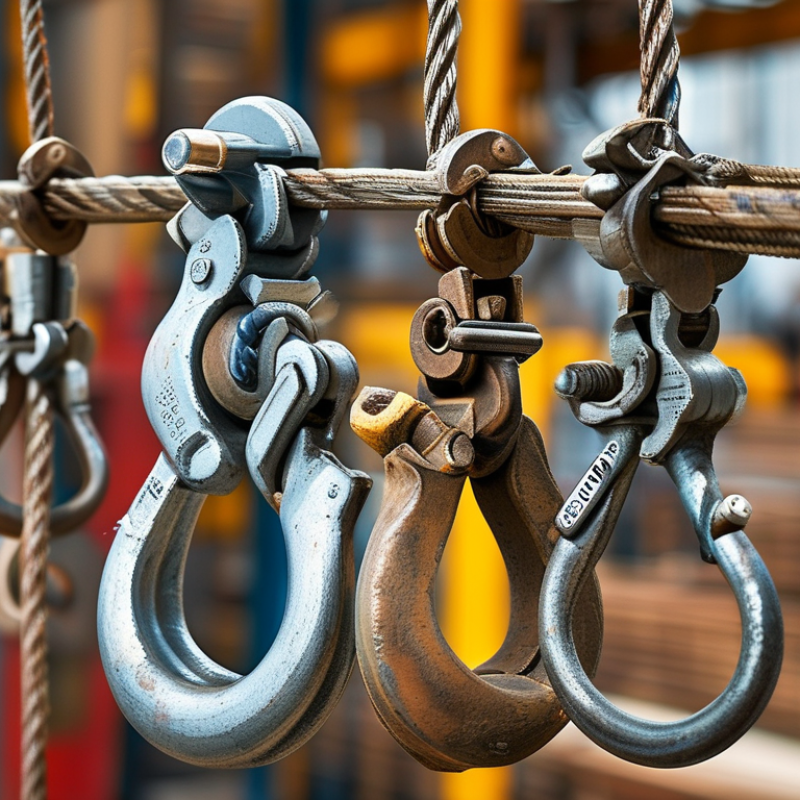
When selecting a wire grip, understanding the types available is crucial. Wire grips are designed for different applications, and knowing these differences can make a significant impact on efficiency and safety.
Common types include locking grips, which secure the wire tightly. This type is used primarily in overhead work. Non-locking grips allow for quick adjustments, making them ideal for temporary setups. Consider the wire diameter and the specific load requirements before making your choice.
Tips: Ensure you match the wire grip to your cable size. Always perform a load test when using a wire grip for the first time.
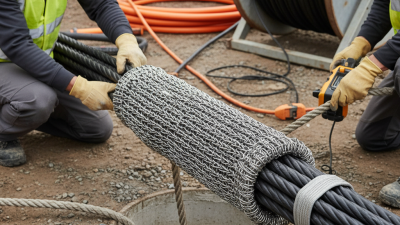
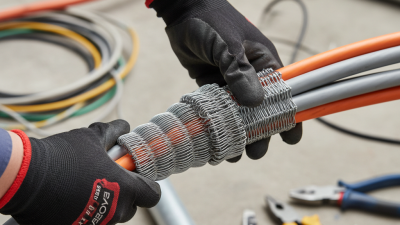
Another popular type is the static wire grip, designed to hold the wire without movement. This is vital in construction and utility work. Meanwhile, adjustable grips provide flexibility. They accommodate various wire sizes, reducing the need for multiple tools.
Tips: Always inspect your wire grip for wear and tear. A worn grip can lead to accidents. Additionally, familiarize yourself with the proper handling techniques. Proper training is essential for safety and effectiveness.
Wire Grip Types and Their Load Capacities
Evaluating Wire Grip Specifications for Your Specific Application
When choosing a wire grip, it’s essential to evaluate the specifications relevant to your application. Load capacity is key. According to an industry report by the American National Standards Institute (ANSI), wire grips come with varying load ratings. They typically range from 600 to 3,000 pounds. Selecting a wire grip rated well above your maximum load is advisable for safety and reliability.
Next, consider the grip size. Variations in wire diameter can affect performance. A specific grip may be designed for diameters from 1/8 inch to ¼ inch. If your application involves a non-standard wire size, performance may suffer. This oversight can lead to inadvertent slips, which could compromise safety.
Lastly, the material quality of wire grips is a crucial factor. Most grips feature carbon steel for high strength. However, some may have coatings for corrosion resistance. An analysis by the National Electrical Contractors Association (NECA) highlights that up to 30% of grips fail due to material fatigue. Choosing a grip with suitable durability for your environmental conditions will enhance long-term effectiveness. Always review specifications and match them with your specific application needs.
Considering the Material and Design Features of Wire Grips
When selecting a wire grip, material and design play crucial roles. Many wire grips are made from steel, which offers strength and durability. However, materials like aluminum can be lighter yet still strong. This choice affects both ease of use and the type of applications suited for the grip. Think about the environment where the grip will be used. Corrosive environments might require special coatings to extend the lifespan of the grip.
Design features are another important aspect to consider. Look for grips with ergonomic designs. They can reduce fatigue during prolonged use. Weight distribution also matters; a well-balanced grip enables better handling and control. Keep in mind that some designs may not allow for effective wire engagement. Testing a few options may feel tedious, but it’s essential to find the right fit.
Tip: Always check the load capacity before making a decision. Overloading a wire grip can lead to failure. Additionally, don’t overlook the size of the gripping surfaces; they should match the diameter of the wires you will use. This attention to detail can help avoid mishaps and ensure safety. Reflecting on your specific needs will save you time and enhance productivity.
Assessing Weight Capacity and Size Requirements of Wire Grips
When selecting the best wire grip, assessing weight capacity and size requirements is crucial.
Start by determining the weight of the wires or cables you will handle. Wire grips vary in their load capacities.
Some grips can handle light loads, while others are engineered for heavy-duty applications.
You don't want to risk using a grip that can't support the weight.
Always check the manufacturer's specifications to find the right grip for your needs.
Size is another vital factor. The diameter of the wire matters significantly.
If the wire is too small for the grip, it won't secure properly. Conversely, a grip that is too large may not hold at all.
Measure the wire's diameter carefully. Look for grips that can accommodate a range of sizes for flexibility.
Understand that as you assess size, an ideal grip should provide a snug fit without excessive strain.
Tips: Always ask for guidance from experts in your field. They can provide insights that you might overlook.
Additionally, testing a grip before full deployment can prevent mishaps later.
This trial can reveal whether a grip is truly suitable for your needs.
Remember, it's better to be cautious than to face consequences after an inadequate choice.
Reviewing Safety Standards and Certifications for Wire Grips
When selecting a wire grip, understanding safety standards and certifications is crucial. Wire grips are essential tools for handling heavy loads. They must meet stringent safety regulations to minimize risks during lifting and rigging operations. The American National Standards Institute (ANSI) establishes guidelines to ensure that wire grips operate safely under load. Familiarity with these standards can prevent accidents.
Recent industry reports indicate that improper use of wire grips accounts for a significant portion of lifting accidents. For instance, nearly 25% of rigging failures relate to substandard equipment. This statistic highlights the importance of selecting wire grips with legitimate certifications. Grips should be tested for load capacity and conform to standards such as those set by the Occupational Safety and Health Administration (OSHA).
In addition to certifications, consider the working environment. Factors like temperature, humidity, and chemical exposure can affect the integrity of the wire grip over time. Inspecting grips regularly is essential, as wear and tear can compromise safety. Reflecting on past incidents may reveal that the right equipment selection could have changed outcomes. A thorough understanding of safety standards leads to better decision-making in choosing the best wire grip for specific needs.